

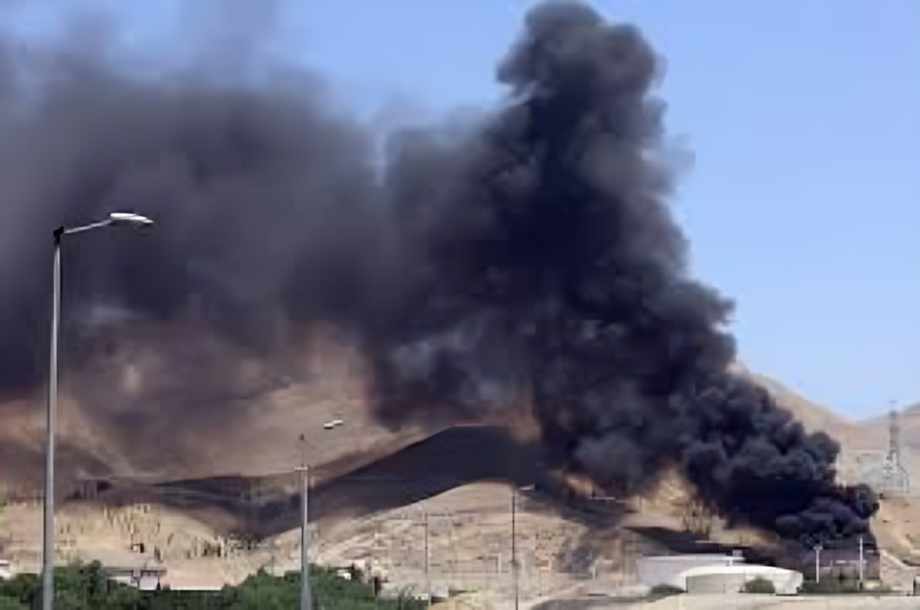
The escalating U.S.–Iran conflict is raising concerns about global security, energy supply disruptions, cyber threats, and geopolitical instability. Here’s how the crisis could impact the world.
Introduction
The ongoing tensions between the United States and Iran are not just a regional issue—they have significant implications for global security, economic stability, and international relations. As military actions, cyber operations, and geopolitical rivalries intensify, experts warn that the conflict could trigger widespread global consequences.
From disruptions in global oil supply to rising cyber threats and potential military escalation, the U.S.–Iran conflict is shaping international security dynamics in unprecedented ways.
Threats to Global Energy Security
One of the biggest global risks from the U.S.–Iran conflict is its impact on energy supply and global oil markets. The conflict has already disrupted shipping routes in the Strait of Hormuz, a critical maritime chokepoint through which roughly 20% of the world’s oil supply passes.
When tensions rise in this region, oil shipments slow down, insurance costs increase, and global energy prices surge. These disruptions can lead to higher fuel costs, inflation, and economic instability worldwide.
Experts warn that prolonged conflict could create a global energy crisis, affecting industries, transportation systems, and national economies.
🧨 RELATED POST: FBI WARNING — Iran Allegedly Planned Drone Attack on California
Rising Risk of Cyber Warfare
Modern conflicts increasingly extend beyond traditional battlefields into the digital world. The U.S.–Iran confrontation has already triggered a wave of cyberattacks and digital warfare, targeting government systems, financial institutions, and energy infrastructure.
Security analysts report that multiple hacker groups linked to regional conflicts have launched cyber operations aimed at disrupting networks and spreading misinformation.
If the conflict escalates further, cyber warfare could affect:
- Banking systems
- Energy infrastructure
- Transportation networks
- Government databases
Such attacks could have global consequences, especially if critical infrastructure is targeted.
Military Escalation and Regional Instability
The Middle East is already one of the world’s most volatile regions, and the U.S.–Iran conflict risks expanding into a broader regional war. Military strikes, drone attacks, and missile exchanges could draw in other countries, including regional allies and global powers.
Several analysts warn that proxy groups and allied militias could become involved, creating multiple conflict zones across the Middle East. This would increase the risk of military confrontations that could destabilize international security.
RELATED POST: Understanding Drone Warfare and Threat Detection
Impact on Global Trade and Supply Chains
Another major concern is the impact on global trade routes and supply chains. If shipping lanes in the Persian Gulf remain unsafe, companies may be forced to use longer and more expensive routes for transporting goods.
This could result in:
- Higher shipping costs
- Delays in global supply chains
- Increased prices for consumer goods
In an interconnected global economy, disruptions in one region can quickly ripple across international markets.
Conclusion
The U.S.–Iran conflict represents more than a regional dispute—it has the potential to reshape global security, economic stability, and geopolitical alliances. From energy markets and cyber warfare to military escalation and trade disruptions, the ripple effects of this conflict could be felt worldwide.
While diplomatic efforts continue to prevent further escalation, the situation remains fragile. Governments, businesses, and security agencies around the world are closely monitoring developments as the conflict evolves.
SEO Keywords:
U.S.–Iran conflict, global security, Iran war impact, Middle East tensions, cyber warfare, global oil supply, geopolitical risk