

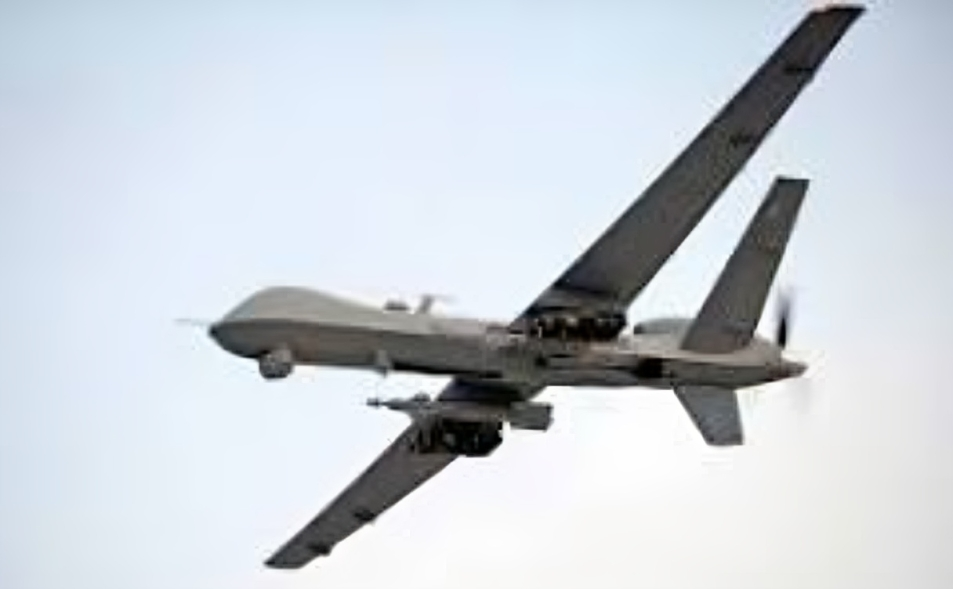
Drone warfare is becoming a major part of modern conflicts. Learn how drones are used in warfare and how governments detect and prevent drone threats.
Introduction
Drone warfare has transformed modern military strategy. Over the past decade, unmanned aerial vehicles (UAVs)—commonly known as drones—have become powerful tools used by governments and military groups around the world. These aircraft can perform surveillance, deliver weapons, and gather intelligence without risking human pilots.
Recent global conflicts have highlighted the growing importance of drones in warfare. Security agencies and governments are increasingly focused on detecting drone threats and preventing attacks, especially as drones become more advanced and accessible.
Understanding how drone warfare works and how authorities detect potential threats is essential for grasping the evolving landscape of global security.
What Is Drone Warfare?
Drone warfare refers to the use of unmanned aerial vehicles in military operations. Unlike traditional aircraft, drones are controlled remotely or operate autonomously using programmed flight systems.
Military drones are used for several purposes, including:
- Surveillance and reconnaissance to gather intelligence
- Targeted strikes against military targets
- Border monitoring and patrol operations
- Support for ground troops in combat zones
Countries including the United States, China, Russia, and Iran have invested heavily in drone technology. These systems allow militaries to carry out operations with precision while reducing risks to personnel.
🧨 RELATED POST: FBI WARNING — Iran Allegedly Planned Drone Attack on California
Why Drones Are a Growing Security Concern
While drones offer strategic advantages, they also present new security challenges. Smaller drones are cheaper and easier to deploy than traditional weapons, making them attractive tools for both state and non-state actors.
Key reasons drones are considered a major security concern include:
- Low cost compared to missiles or aircraft
- Ability to fly at low altitudes and avoid radar detection
- Remote operation from long distances
- Potential for coordinated swarm attacks
Because of these factors, drones are increasingly used in modern conflicts and security incidents around the world.
How Governments Detect Drone Threats
To counter drone threats, governments and security agencies have developed advanced drone detection systems. These technologies are designed to identify unauthorized drones and track their movements.
Common detection methods include:
Radar Systems
Radar technology can detect objects in the airspace, including drones. Advanced radar systems can distinguish between birds, aircraft, and unmanned aerial vehicles.
Radio Frequency Monitoring
Many drones communicate with controllers using radio signals. Security systems can scan for these signals and identify suspicious drone activity.
Thermal and Optical Cameras
High-resolution cameras and thermal sensors help track drones visually, especially in sensitive areas such as airports, military bases, and government facilities.
Counter-Drone Technology
Some systems are designed not only to detect drones but also to disable them. These include signal jamming systems that interrupt communication between a drone and its operator.
RELATED POST > How the FBI Detects and Prevents Foreign Threats Inside the United States
The Future of Drone Security
As drone technology evolves, so does the need for better defense systems. Experts predict that artificial intelligence and automated detection systems will play a major role in future drone security.
Governments around the world are investing in new technologies that can identify threats faster and respond more effectively. International cooperation is also increasing as nations work together to address the growing challenge of drone warfare.
Conclusion
Drone warfare has become one of the most significant developments in modern military strategy. While drones provide powerful advantages for surveillance and operations, they also introduce new security risks.
To protect critical infrastructure and national security, governments are investing heavily in drone detection technologies and counter-drone systems. As global conflicts evolve, understanding drone warfare will remain crucial for both policymakers and the public.
SEO Keywords:
drone warfare, UAV technology, drone threat detection, counter drone systems, unmanned aerial vehicles, drone security, modern warfare drones