

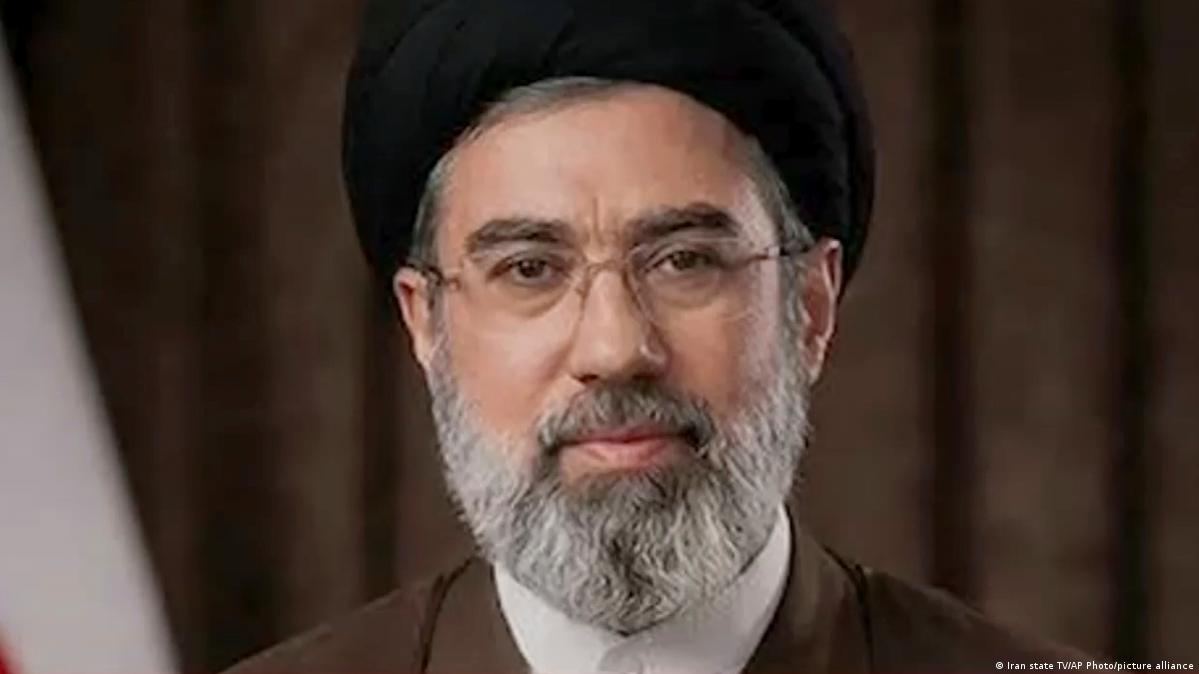
Iran threatens “destructive attacks” against the U.S. and its allies as tensions escalate. Explore the risks of a wider Middle East war and global consequences.
Table of Contents
- Introduction
- Iran’s Warning of “Destructive Attacks”
- Why Iran Is Escalating Its Response
- Potential Targets and Strategy
- Risk of Regional War Expansion
- Impact on Global Oil and Energy Markets
- Global Security and Economic Risks
- International Reactions
- What Could Happen Next?
- Conclusion
- FAQs
1. Introduction
The Middle East is on edge as Iran issues a strong warning of retaliation against the United States and its allies. With tensions already high, Tehran’s threat of “destructive attacks” signals a dangerous escalation that could push the region closer to a wider war.
2. Iran’s Warning of “Destructive Attacks.”
Iran’s military leadership has vowed to respond forcefully to recent U.S. actions, promising attacks that could target American interests and allied nations across the region.
According to recent reports, Iranian officials warned of “crushing and destructive” retaliation, emphasizing that the conflict is far from over.
This rhetoric highlights Iran’s readiness to escalate if pressure continues.
RELATED POST > U.S. Threatens Massive Bombing Campaign on Iran: Global Crisis Deepens
3. Why Iran Is Escalating Its Response
Iran’s position is driven by several key factors:
- Retaliation against U.S. military actions
- Protection of national sovereignty
- Desire to deter further attacks
- Maintaining influence in the Middle East
Experts say Iran’s strategy is to increase the cost of war for the U.S. and its allies, forcing them to reconsider continued military pressure.
4. Potential Targets and Strategy
Iran’s retaliation may not be limited to direct attacks on the U.S. Instead, it could involve:
- U.S. military bases in the region
- Allied countries supporting U.S. operations
- Oil and gas infrastructure
- Commercial and corporate assets
There are also threats targeting major U.S. businesses and regional infrastructure, signaling a broader and more complex response strategy.
RELATED POST > Oil Prices Surge Above $100 as War Escalates: Global Economy Faces New Shock
5. Risk of Regional War Expansion
The biggest concern is that the conflict could spread beyond Iran and the U.S.
Possible escalation scenarios include:
- Attacks on multiple countries in the Gulf region
- Involvement of regional allies and proxy groups
- Increased missile and drone strikes
- Disruption of key shipping routes
Analysts warn Iran may attempt to “spread the pain” across multiple countries, increasing pressure on U.S. allies.
6. Impact on Global Oil and Energy Markets
Escalating tensions are already affecting global energy markets:
- Oil prices have surged sharply
- Supply routes like the Strait of Hormuz are under threat
- Energy infrastructure could become targets
Any disruption in oil supply could trigger further price spikes and deepen the global energy crisis.
RELATED POST > Breaking: Iranian Drone Attack Hits British Oil Facility Amid Escalating War
7. Global Security and Economic Risks
A wider conflict could have serious consequences worldwide:
- Rising inflation due to higher fuel costs
- Disrupted global trade and supply chains
- Increased military spending
- Financial market instability
Experts warn that prolonged tensions could weaken global economic growth and increase uncertainty for businesses and investors.
8. International Reactions
Global leaders are increasingly concerned about the risk of escalation:
- Calls for immediate de-escalation
- Diplomatic efforts to prevent a wider war
- Warnings about global economic fallout
Some countries fear being drawn into the conflict, especially those hosting U.S. military bases or aligned with Washington.
9. What Could Happen Next?
Several scenarios are possible:
1. Intensified Retaliation
Iran carries out widespread attacks across the region.
2. Limited Conflict
Both sides engage in controlled strikes without full-scale war.
3. Diplomatic Breakthrough
Negotiations ease tensions and prevent escalation.
4. Regional War
Multiple countries become involved, leading to a broader Middle East conflict.
10. Conclusion
Iran’s threat of “destructive attacks” marks a critical escalation in an already volatile situation. With both sides showing no signs of backing down, the risk of a wider regional war is increasing.
The coming days and weeks will be crucial in determining whether diplomacy can prevail—or whether the conflict will spiral into a larger global crisis.
11. FAQs
Q1: What did Iran threaten?
Iran warned it could launch “destructive attacks” against the U.S. and its allies.
Q2: Who could be targeted?
U.S. military bases, allied countries, and economic infrastructure could all be targets.
Q3: Why is this important globally?
It could disrupt oil supply, increase prices, and destabilize global markets.
Q4: Could this lead to a wider war?
Yes, there is a high risk of escalation involving multiple countries.
Q5: How are markets reacting?
Oil prices are rising, and investors are becoming more cautious.
SEO Tags:
Iran retaliation, US Iran conflict, Middle East war 2026, Iran threats US allies, global war risk, oil crisis Iran, geopolitical tensions, energy crisis news, war escalation analysis
Hashtags:
#Iran #USIran #BreakingNews #MiddleEast #WarUpdate #GlobalTensions #OilPrices #EnergyCrisis #WorldNews #Geopolitics