

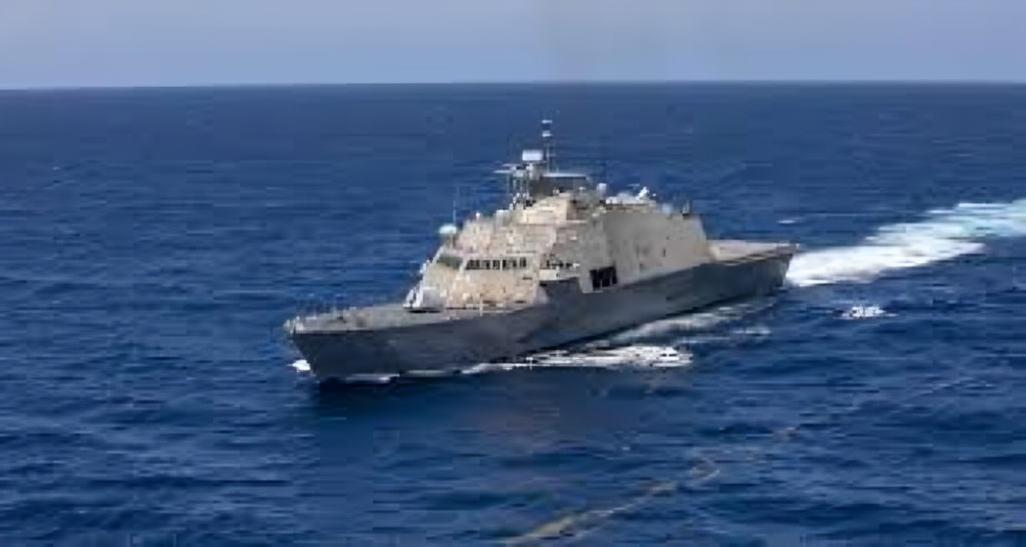
President Donald Trump warns of a massive bombing campaign targeting Iran’s power and oil infrastructure. Explore the global risks, economic impact, and what could happen next.
Table of Contents
- Introduction
- Trump’s Warning and Military Threats
- Potential Targets: Power Plants and Oil Facilities
- Why This Escalation Matters
- Impact on Global Oil Markets
- Risk of Wider War in the Middle East
- Global Economic Consequences
- International Reactions
- What Could Happen Next?
- Conclusion
- FAQs
1. Introduction
Tensions in the Middle East have reached a dangerous new level after Donald Trump issued a stark warning: the United States could launch a massive bombing campaign against Iran if a deal is not reached. His statement, including the phrase “back to the Stone Age,” signals a potential escalation that could reshape global geopolitics and worsen an already fragile economic situation.
2. Trump’s Warning and Military Threats
In a recent address, Trump made it clear that the U.S. is prepared to intensify military operations within weeks if Iran does not comply with American demands.
Key points from the warning:
- Threat of a large-scale bombing campaign
- A short timeline for escalation (2–3 weeks)
- Pressure on Iran to negotiate quickly
- Continued military operations despite claims of progress
This combination of pressure and urgency has increased fears of a prolonged and more destructive conflict.
Related Post > Oil Prices Surge Above $100 as War Escalates: Global Economy Faces New Shock
3. Potential Targets: Power Plants and Oil Facilities
Reports indicate that critical infrastructure could be targeted, including:
- Electricity generation plants
- Oil fields and refineries
- Energy export facilities
Striking these targets would severely weaken Iran’s economy but could also impact civilians and global energy supply. Analysts warn that targeting oil infrastructure could disrupt global supply chains and trigger further price spikes.
4. Why This Escalation Matters
This is not just a regional issue—it has global implications. The threat of large-scale bombing raises concerns about:
- A full-scale war in the Middle East
- Retaliatory attacks by Iran
- Disruption of key trade and energy routes
The situation is especially critical because of the already fragile state of global energy markets.
RELATED POST > Breaking: Iranian Drone Attack Hits British Oil Facility Amid Escalating War
5. Impact on Global Oil Markets
The threat of expanded conflict has already shaken markets:
- Oil prices have surged above $100 per barrel
- Investors are moving toward safer assets
- Supply fears are increasing volatility
Uncertainty over the Strait of Hormuz—a key oil transit route—has heightened concerns about shortages and price spikes.
6. Risk of Wider War in the Middle East
A massive bombing campaign could trigger:
- Direct retaliation from Iran
- Involvement of regional allies
- Attacks on U.S. bases and interests
- Escalation into a broader regional conflict
Iran has already warned of “destructive” responses if attacks intensify, raising the stakes significantly.
7. Global Economic Consequences
If the situation escalates further, the world could face:
- Rising inflation due to higher energy costs
- Supply chain disruptions
- Stock market instability
- Slower global economic growth
Some analysts even warn of stagflation—a combination of high inflation and weak growth—if oil prices remain elevated for a prolonged period.
RELATED POST > Iran War Shakes Global Economy: Rising Energy Prices and Slowing Growth
8. International Reactions
Global leaders and allies have expressed concern over the escalation:
- Calls for diplomatic solutions
- Concerns over the lack of a clear strategy
- Pressure on the U.S. to clarify its objectives
Some allies fear the conflict could drag on without a defined end, increasing global instability.
9. What Could Happen Next?
Several possible scenarios could unfold:
1. Diplomatic Breakthrough
A last-minute agreement could prevent escalation and stabilize markets.
2. Limited Strikes
Targeted attacks may occur without full-scale war.
3. Full Escalation
A massive bombing campaign could trigger widespread conflict.
4. Prolonged Uncertainty
Ongoing tensions without resolution could keep markets unstable for months.
10. Conclusion
The threat of a massive U.S. bombing campaign against Iran marks a critical turning point in the ongoing conflict. With potential strikes on power plants and oil facilities, the risks extend far beyond the region—impacting global energy markets, economies, and geopolitical stability.
As the situation evolves, the world watches closely, knowing that the next few weeks could determine whether diplomacy prevails or a deeper crisis unfolds.
11. FAQs
Q1: What did Trump threaten regarding Iran?
He warned that the U.S. could launch a massive bombing campaign and escalate attacks if no deal is reached.
Q2: What targets could be hit?
Power plants, oil facilities, and critical infrastructure are possible targets.
Q3: Why is this important globally?
It could disrupt oil supply, increase prices, and impact the global economy.
Q4: How are markets reacting?
Oil prices are rising, and financial markets are becoming more volatile.
Q5: Could this lead to a larger war?
Yes, escalation could trigger retaliation and involve multiple countries.
SEO Tags:
US-Iran war, Trump-Iran bombing threat, Iran conflict 2026, oil crisis war, Middle East war escalation, global oil prices, Strait of Hormuz crisis, US military in Iran, world economy crisis, breaking war news