

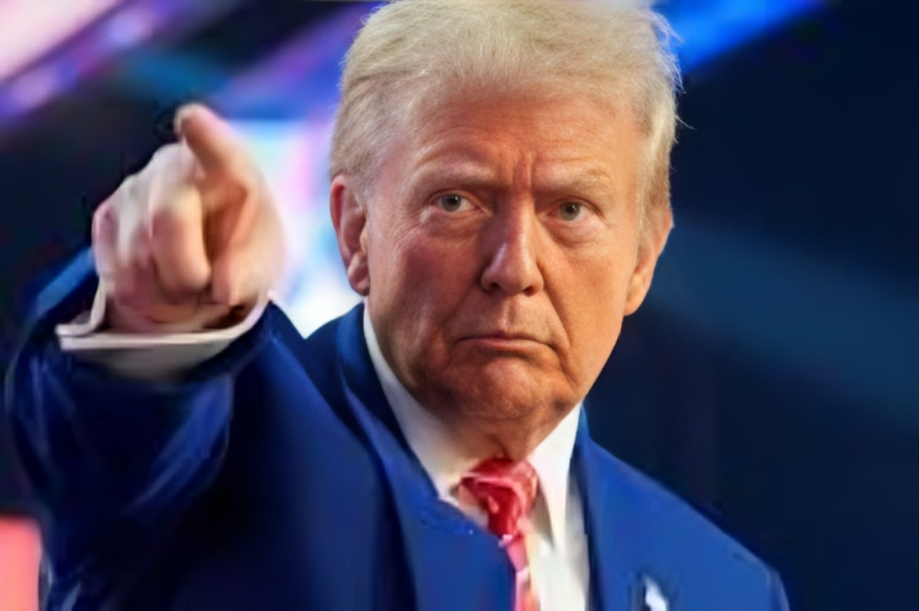
A growing majority of Americans disapprove of Donald Trump’s war on Iran. Explore poll data, political impact, global risks, and what this means for the future of U.S. foreign policy.
📑 Table of Contents
- Introduction
- Poll Data: Americans Turn Against the War
- Why Americans Disapprove
- Political Impact on Donald Trump
- Global Consequences of the Iran War
- Public Opinion and Democracy
- What Happens Next?
- Conclusion
- FAQs
- SEO Tags & Hashtags
✍️ Introduction
Recent polling data reveals a significant shift in American public opinion regarding the ongoing conflict between the United States and Iran. A reported 64% of Americans now disapprove of former President Donald Trump’s handling of the war, reflecting growing skepticism about U.S. military involvement abroad.
This disapproval signals not just frustration with the war itself, but deeper concerns about leadership, economic consequences, and global stability. As tensions escalate, the political and international implications of this shift are becoming impossible to ignore.
📊 Poll Data: Americans Turn Against the War
Multiple polls conducted in early 2026 show a clear pattern: Americans are increasingly opposed to military action in Iran.
- Around 56% to 60% oppose the war outright
- Only about 36% approve of Trump’s handling
- Some surveys show nearly 6 in 10 Americans disapprove of the strikes
- Recent data suggests disapproval has climbed to over 60%, aligning with your 64% figure
These numbers highlight a strong national divide and growing resistance to prolonged military engagement.
RELATED POST > Breaking: Iran Refuses Donald Trump Peace Plan Amid Rising Conflict
❗ Why Americans Disapprove
1. Fear of Another Endless War
Many Americans remember long conflicts in Iraq and Afghanistan. The possibility of another prolonged war raises concerns about:
- Loss of lives
- Massive financial costs
- Lack of a clear victory
Polls show that 60% believe the conflict could last a long time .
2. Lack of Clear Strategy
A major issue is the perception that the administration has not clearly defined its goals.
- 64% say the objectives are unclear
- Many feel diplomacy was not fully explored before military action
3. Economic Concerns
War impacts everyday life:
- Rising fuel prices
- Inflation concerns
- Government spending
At a time when Americans are already dealing with economic pressure, war spending is unpopular.
4. Low Perceived Threat from Iran
Interestingly, many Americans do not view Iran as a major threat.
- 55% say Iran is a minor or no threat
This makes the justification for war less convincing to the public.
🏛️ Political Impact on Donald Trump
The war is having a high political cost for Donald Trump.
- Overall approval ratings have dropped significantly
- Disapproval of foreign policy is rising
- Independent voters are increasingly critical
Recent polling shows:
- Around 59% disapprove of his handling of foreign policy
- Approval ratings are hovering near historic lows
This could influence upcoming elections and reshape party dynamics.
RELATED POST > Breaking: Iran Shuts the Door on Any Negotiation With the United States
🌍 Global Consequences of the Iran War
The conflict is not just a domestic issue—it has worldwide implications.
1. Rising Geopolitical Tensions
The war increases tensions in the Middle East and risks involving other nations.
2. Economic Instability
Global oil markets are sensitive to conflict in the region, leading to:
- Price volatility
- Trade disruptions
3. Security Risks
According to polls, 42% of voters believe the war makes the world less safe.
RELATED POST > Breaking: Philippines Has Just 4 Days of Fuel Left – Urgent Energy Crisis Hits Nation
🧠 Public Opinion and Democracy
Public opinion plays a critical role in democratic societies. When a majority of citizens oppose a war:
- Pressure increases on political leaders
- Congress may push for oversight
- Media scrutiny intensifies
Historically, sustained public opposition has influenced major policy shifts.
🔮 What Happens Next?
Several scenarios could unfold:
1. De-escalation
Diplomatic negotiations could reduce tensions if both sides agree.
2. Prolonged Conflict
If fighting continues, public opposition may grow even stronger.
3. Political Shift
The war could become a key issue in elections, influencing:
- Voter turnout
- Party strategies
🧾 Conclusion
The growing disapproval of Trump’s war on Iran reflects a broader shift in American attitudes toward military intervention. With around 64% of Americans opposing the conflict, it is clear that public support is lacking.
This moment represents a critical turning point—not just for U.S. foreign policy, but for the political future of Donald Trump and the direction of American leadership on the global stage.
❓ FAQs
1. How many Americans disapprove of the Iran war?
Recent polls suggest around 60–64% of Americans disapprove of the war.
2. Why do Americans oppose the war?
Key reasons include fear of long-term conflict, unclear goals, economic concerns, and low perceived threat from Iran.
3. Does political affiliation affect opinions?
Yes. Democrats largely oppose the war, while Republicans are more supportive, though divisions exist.
4. Could this affect elections?
Yes. The war could significantly impact voter decisions and future election outcomes.
🔍 SEO Tags
Trump Iran war, US Iran conflict 2026, Americans disapprove war, Trump approval ratings, Iran war polls, US foreign policy, Middle East conflict, political news USA
🔥 Hashtags
#Trump #IranWar #USPolitics #BreakingNews #WorldNews #Geopolitics #MiddleEast #Politics #GlobalCrisis #NewsUpdate