

The Strait of Hormuz is a narrow but crucial waterway connecting the Persian Gulf to the Gulf of Oman. Discover why nearly 20% of global oil passes through it and how disruptions could impact world trade, energy markets, and global security.
🧠 Introduction
The Strait of Hormuz, a narrow waterway between Oman and Iran, is one of the most strategically important shipping routes in the world. Despite being only about 21 miles wide at its narrowest point, it carries nearly a fifth of the world’s oil supply, making it a critical artery for global energy security. Any disruption—whether from geopolitical tensions, military conflicts, or accidents—can ripple across the global economy, affecting oil prices, trade, and international relations. Understanding the strait’s strategic importance is essential for governments, businesses, and energy markets alike.
📋 Table of Contents
- Geography and Location of the Strait of Hormuz
- Where It Is and Why It Matters
- Narrowest Points and Navigational Challenges
- Economic Importance
- Oil and Gas Transit
- Global Trade Impact
- Geopolitical Significance
- Key Players and Regional Tensions
- Military Presence and Alliances
- Risks and Disruptions
- Historical Incidents
- Potential Consequences of Blockage
- Global Security Implications
- Impact on Energy Prices
- International Diplomatic Responses
- Conclusion
- Frequently Asked Questions (FAQ)
1. Geography and Location of the Strait of Hormuz
Where It Is and Why It Matters
The Strait of Hormuz connects the Persian Gulf to the Gulf of Oman and the Arabian Sea. It serves as the exit point for oil exports from major producers like Saudi Arabia, Iran, the UAE, and Kuwait. Its location makes it a strategic chokepoint in global maritime trade.
Narrowest Points and Navigational Challenges
At just 21 miles (34 km) wide at its narrowest, the strait allows for two-way traffic, but large oil tankers must navigate carefully to avoid collisions. Shipping lanes are heavily monitored and regulated due to the high volume of traffic and security concerns.
Related Post > Gulf Countries Reported Missile Attacks: Rising Tensions in the Middle East
2. Economic Importance
Oil and Gas Transit
Nearly 20% of the world’s crude oil passes through the Strait of Hormuz daily—roughly 18–20 million barrels. Any disruption can immediately affect global energy markets and create price volatility.
Global Trade Impact
Beyond oil, the strait is also critical for liquefied natural gas (LNG) exports and other trade between Asia, Europe, and the Middle East. Delays or closures can ripple through international supply chains, affecting industries worldwide.
3. Geopolitical Significance
Key Players and Regional Tensions
Iran controls the northern side of the strait, while Oman manages the southern coast. Tensions between Iran and Western countries, particularly the U.S. and its allies, often focus on this narrow waterway. These disputes make the strait a flashpoint in Middle Eastern geopolitics.
Military Presence and Alliances
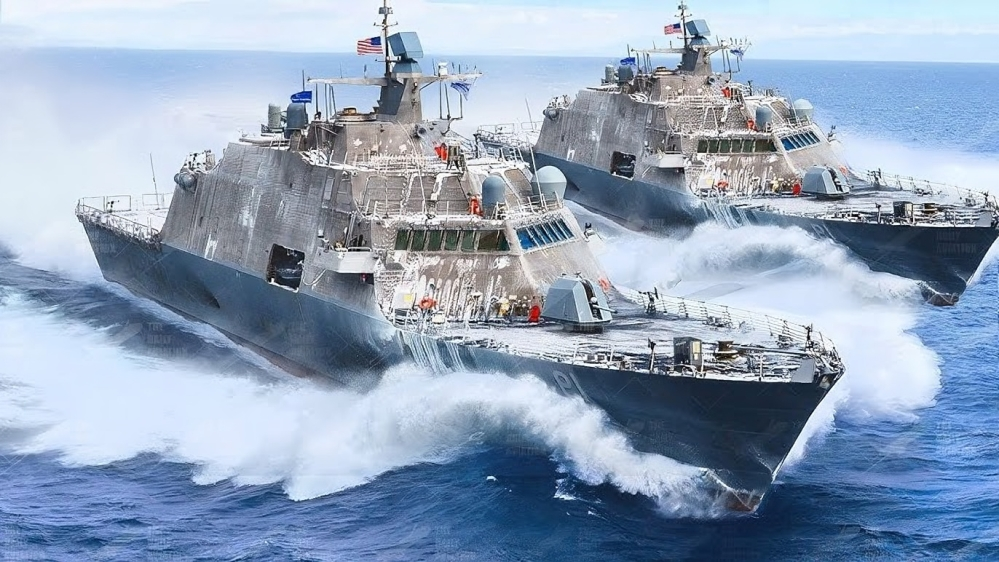
The U.S. Navy, allied nations, and regional forces maintain a presence to ensure safe passage for commercial vessels. Strategic alliances and naval patrols aim to deter threats and secure energy exports.
4. Risks and Disruptions
Historical Incidents
Over the years, the strait has witnessed attacks on tankers, military standoffs, and temporary blockages. Even small incidents can create widespread market panic and disrupt shipping.
Potential Consequences of Blockage
A full or partial closure could spike oil prices, slow global trade, and trigger diplomatic or military responses. Countries dependent on Gulf oil would face immediate energy security challenges.
Related Post > How Middle East Conflicts Affect Global Oil Prices
5. Global Security Implications
Impact on Energy Prices
Disruptions in the Strait of Hormuz are closely watched by global markets. A temporary halt can raise oil prices by $10–$20 per barrel, impacting inflation, trade costs, and economies worldwide.
International Diplomatic Responses
Governments, energy companies, and international organizations monitor the strait closely. Diplomatic negotiations, sanctions, and joint security patrols aim to prevent escalation and maintain free navigation.
Related Post > Why the Gulf Region Is One of the Most Strategic Areas in the World
6. Conclusion
The Strait of Hormuz is small in size but enormous in global importance. Its strategic location, volume of energy transit, and geopolitical sensitivity make it a vital component of global trade and energy security. Ensuring safe passage through the strait remains a priority for nations worldwide, as disruptions could have far-reaching economic and political consequences.
❓ Frequently Asked Questions (FAQ)
Q1: Why is the Strait of Hormuz so important?
A: It’s a narrow waterway that carries nearly 20% of the world’s oil, connecting major Gulf producers to global markets.
Q2: Which countries border the Strait of Hormuz?
A: Iran controls the northern coast, while Oman controls the southern coast.
Q3: What happens if the Strait of Hormuz is blocked?
A: Oil prices could spike, global trade could slow, and energy-dependent countries would face immediate supply challenges.
Q4: How do countries secure the Strait of Hormuz?
A: Through naval patrols, strategic alliances, and international monitoring to ensure safe passage for commercial vessels.
🔑 SEO Titles
- Why the Strait of Hormuz Is Critical for Global Energy Security
- The Strait of Hormuz: A Strategic Shipping Chokepoint
- How Middle East Tensions Impact the World Through the Strait of Hormuz
- Global Oil and the Importance of the Strait of Hormuz
- Strait of Hormuz Explained: Trade, Energy, and Security
📣 Suggested Hashtags
#StraitOfHormuz #GlobalTrade #EnergySecurity #MiddleEast #OilMarkets #ShippingRoutes #Geopolitics #InternationalRelations
Related Post > Gulf Countries Reported Missile Attacks: Rising Tensions in the Middle East
The Strait of Hormuz Explained: Why the World Depends on This Shipping Route
Why the Gulf Region Is One of the Most Strategic Areas in the World