

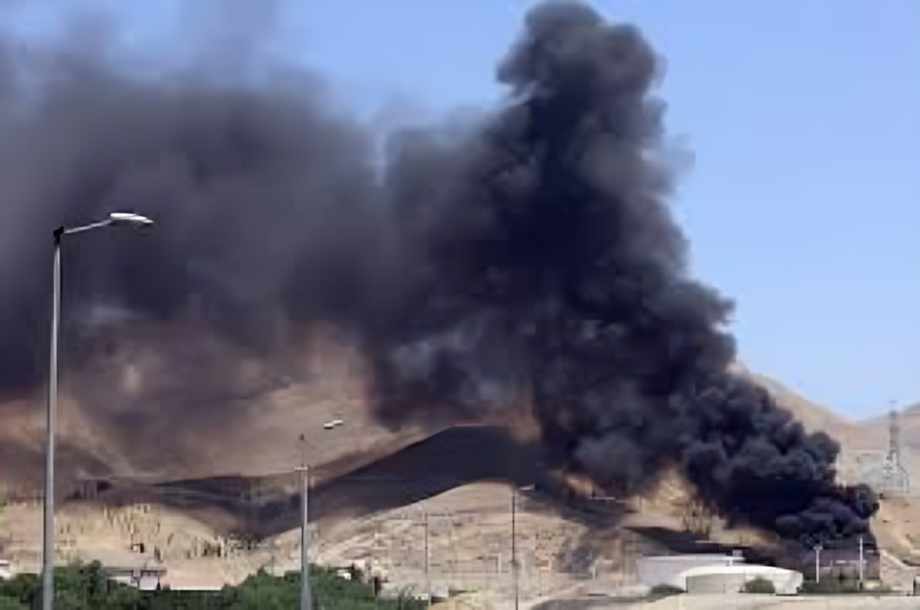
Rising tensions in the Middle East are reshaping global security dynamics — affecting energy markets, trade routes, geopolitical alliances, and worldwide peace. Explore how conflicts in the region impact global stability, economies, and what the future might hold.
🧠 Introduction
The Middle East has long been a geopolitical hotspot. Today, escalating tensions — especially between Iran, Israel, and the United States — are creating ripple effects far beyond the region’s borders. From surging oil prices and disrupted trade to shifting military alliances and rising security risks, these tensions pose serious global challenges. Understanding what’s driving the instability and how it affects global security is crucial for policymakers, businesses, and everyday citizens. Recent developments, such as coordinated strikes and retaliation in the Strait of Hormuz — a crucial trade chokepoint — show how fragile peace can influence economies and security worldwide.
📋 Table of Contents
- What’s Happening in the Middle East
- Background of Recent Conflicts
- Key Players and Flashpoints
- Global Security Implications
- Energy Markets and Oil Supply
- International Trade and Shipping Routes
- Military Alliances and Defense Postures
- Economic and Financial Impacts
- Inflation and Global Markets
- Investment Shifts and Risk Aversion
- Humanitarian and Social Consequences
- Displacement and Civilian Risk
- Impact on Regional Stability
- Future Scenarios
- De‑escalation Possibilities
- Regional and Global Responses
- Conclusion
- Frequently Asked Questions (FAQ)
1. What’s Happening in the Middle East
Background of Recent Conflicts
The Middle East’s current tensions intensified with military strikes and counterattacks involving Iran, Israel, and allied nations. Operations targeting military and nuclear facilities have triggered retaliation, leading to clashes beyond national borders.
Key Players and Flashpoints
From Iranian forces and Israel to U.S. involvement and allied regional groups, multiple actors are driving instability. One critical flashpoint is the Strait of Hormuz — a vital route for global energy shipments — where disruptions have major global economic implications.
Related Post > Gulf Countries Reported Missile Attacks: Rising Tensions in the Middle East
2. Global Security Implications
Energy Markets and Oil Supply
The Middle East supplies a large share of the world’s oil and gas. Tensions have caused oil prices to spike past $100 per barrel, reflecting fears of supply disruption. Disruptions or closures of vital shipping lanes such as the Strait of Hormuz can sharply reduce global oil flow, pushing energy costs higher and affecting economies everywhere.
International Trade and Shipping Routes
Beyond energy, the Middle East lies along strategic maritime routes connecting Asia, Europe, and Africa. Trade flows can be delayed or rerouted due to increased risks, leading to higher freight costs and insurance premiums. This disrupts global supply chains, raising prices for goods around the world.
Military Alliances and Defense Postures
Nations are adjusting their defense strategies. As one region faces conflict, global military cooperation and spending patterns shift. Countries strengthen alliances, while others seek neutrality or diplomatic solutions — all of which affect regional and global balance.
3. Economic and Financial Impacts
Inflation and Global Markets
Higher energy prices and trade disruption contribute to inflationary pressures in major economies. The IMF warns that this conflict could push global inflation higher if prices remain elevated. Central banks may respond with monetary policy changes that affect borrowing costs and growth.
Investment Shifts and Risk Aversion
Uncertainty often drives investors toward safer assets like gold and government bonds. Stocks in defense sectors may rise, while risk‑heavy investments face volatility. Market behavior reflects heightened geopolitical risk and investor caution.
Related Post > The Strait of Hormuz Explained: Why the World Depends on This Shipping Route
4. Humanitarian and Social Consequences
Displacement and Civilian Risk
Escalation often hits civilians hardest. Evacuations and disruptions in normal life contribute to long-term instability and regional insecurity. Populations face displacement, loss of access to essential services, and economic hardship.
Impact on Regional Stability
Neighboring countries may suffer spillover effects. Refugee flows, political tensions, and humanitarian crises can destabilize governments and erode social cohesion. International groups emphasize the need for diplomatic solutions to prevent a wider crisis.
5. Future Scenarios
De‑escalation Possibilities
Peace efforts and diplomatic negotiations could ease tensions. However, complex historical rivalries and strategic interests make peaceful resolutions difficult but not impossible.
Regional and Global Responses
Global powers and alliances may shift roles — either through diplomacy, economic sanctions, or defense cooperation. Long‑term strategies will determine whether the conflicts remain contained or spread.
Related Post > How Middle East Conflicts Affect Global Oil Prices
6. Conclusion
Rising tensions in the Middle East are more than a regional concern. They are shaping global security dynamics — influencing energy markets, trade networks, financial stability, and humanitarian outcomes. Understanding these impacts is essential for communities, businesses, and governments worldwide as the situation continues to evolve.
❓ Frequently Asked Questions (FAQ)
Q1: Why does instability in the Middle East affect the global economy?
A: Because the region is central to global oil and gas supply and lies along key shipping routes. Disruptions can push up energy costs, slow trade, and trigger market volatility.
Q2: What is the Strait of Hormuz and why is it important?
A: It’s a narrow but critical waterway where about 20% of the world’s crude oil passes. Any disruption here can significantly impact global energy supply and prices.
Q3: How are global markets reacting to these tensions?
A: Markets often become volatile. Safe‑haven assets like gold gain demand, while energy and defense sectors may see increased investor interest.
Q4: Could this conflict escalate to involve more countries?
A: There’s a risk of regional escalation, especially if proxy groups or neighboring states get drawn in. International diplomacy aims to prevent such wider conflicts.
🔑 SEO Titles
- How Middle East Tensions Impact Global Security and Economy
- The Strategic Importance of the Middle East in World Peace
- Why the Strait of Hormuz Matters for Global Trade
- Global Inflation and the Middle East Conflict
- Security Risks Explained: Middle East Tensions 2026
📣 Suggested Hashtags
#MiddleEastConflict #GlobalSecurity #Geopolitics #OilPrices #StraitOfHormuz #InternationalRelations #EconomicImpact #WorldPeace
Related Post.
Gulf Countries Reported Missile Attacks: Rising Tensions in the Middle East
Rising Tensions in the Middle East: What It Means for Global Security
How Middle East Conflicts Affect Global Oil Prices