

The U.S. has carried out over 11,000 airstrikes on Iran in just 30 days, targeting military bases, ships, and nuclear facilities. Here’s what it means.
📑 Table of Contents
- Introduction
- Massive U.S. Military Strikes on Iran
- Over 11,000 Airstrikes in Just 30 Days
- Key Targets: Bases, Ships, and Nuclear Sites
- How the Air Campaign Is Being Executed
- Impact on Iran’s Military قوة
- Strategic Goals Behind the Strikes
- Risks of Escalation
- Global Reactions
- What Happens Next
- Conclusion
- FAQ
- SEO Tags & Hashtags
1. Introduction
The conflict between the United States and Iran has reached an unprecedented level of intensity. In just one month, the scale of military operations has shocked the world.
Recent reports reveal that the United States has launched over 11,000 airstrikes in just 30 days, marking one of the most aggressive air campaigns in modern warfare.
This massive wave of attacks is not only reshaping the battlefield but also raising serious concerns about global stability, economic impact, and the risk of a wider war.
2. Massive U.S. Military Strikes on Iran
The U.S. military campaign against Iran has intensified rapidly, with continuous airstrikes targeting key strategic locations.
According to recent reports, this campaign includes:
- Large-scale bombing missions
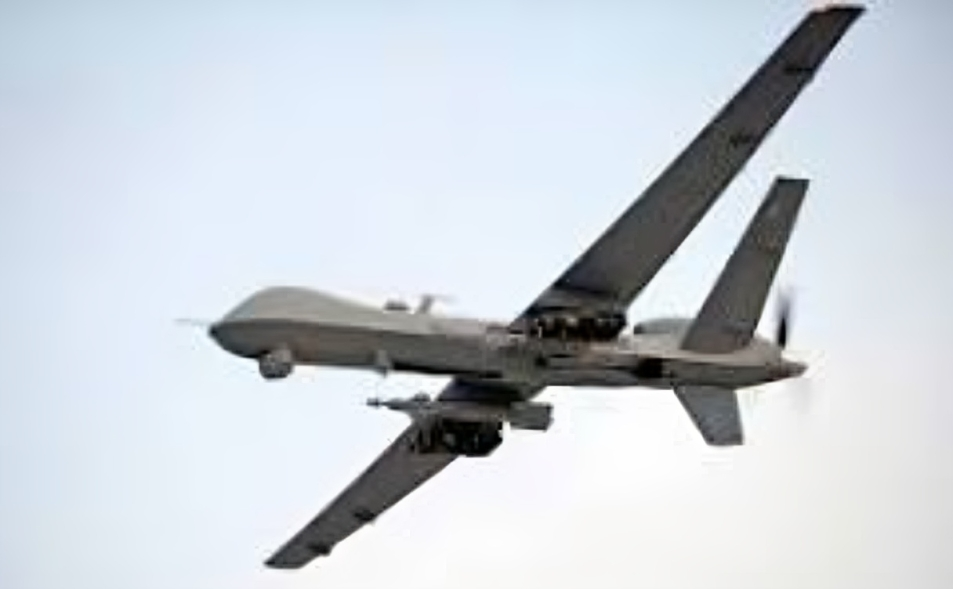
- Precision drone strikes
- Real-time intelligence-based attacks
The goal is clear: weaken Iran’s military capabilities and limit its ability to respond effectively.
RELATED POST > Iran Expands War Across Gulf Countries: Drone Attacks Hit Kuwait and Dubai
3. Over 11,000 Airstrikes in Just 30 Days
One of the most shocking figures from the war is the sheer number of strikes carried out in a short period.
- Over 11,000 targets have been hit in 30 days
- Hundreds of strikes are conducted daily
- Some operations involve real-time intelligence targeting
This level of intensity is rarely seen in modern conflicts and shows the scale of U.S. military power.
Earlier in the war, reports already showed thousands of strikes within just weeks, indicating a rapidly escalating campaign.
4. Key Targets: Bases, Ships, and Nuclear Sites
The U.S. is not striking randomly. The attacks are focused on high-value targets, including:
1. Military Bases
Airstrikes have hit command centers, missile launch sites, and defense systems.
2. Naval Forces
Over 150 Iranian naval vessels have reportedly been destroyed.
3. Nuclear-Related Facilities
Facilities linked to nuclear research and development have been targeted to prevent future threats.
4. Defense Infrastructure
Factories and weapons production centers have also been hit.
This strategy aims to cripple Iran’s ability to sustain long-term warfare.
RELATED POST > Iran War Could End in 2–3 Weeks: What It Means for the World
5. How the Air Campaign Is Being Executed
The U.S. is using advanced military technology to carry out these strikes.
Key elements include:
- Long-range bombers like the B-52 aircraft
- Precision-guided missiles
- Surveillance drones and satellites
- Real-time intelligence systems
In some cases, over 200 strikes were carried out in a single day, showing how fast and coordinated the operations are.
This combination of speed and accuracy makes the campaign highly effective.
6. Impact on Iran’s Military Power
The impact of these strikes has been significant.
Reports indicate:
- Major damage to military infrastructure
- Reduction in missile and drone launches
- Declining morale among Iranian forces
However, Iran continues to resist and has adapted its strategy, using smaller and more flexible attack methods.
This shows that while the strikes are powerful, they have not completely ended Iran’s ability to fight.
7. Strategic Goals Behind the Strikes
The U.S. military campaign is driven by several key objectives:
1. Neutralizing Military Threats
Destroying weapons systems and defense infrastructure.
2. Preventing Nuclear Development
Targeting facilities linked to nuclear research.
3. Establishing Air Dominance
Gaining full control of the skies over Iran.
4. Forcing Negotiations
Applying pressure on Iran to come to the negotiating table.
These goals explain the intensity and scale of the operation.
8. Risks of Escalation
Despite the success of the air campaign, there are serious risks.
1. Regional Expansion
Iran has already launched retaliatory attacks on neighboring countries.
2. Global Tensions
Other major powers may become involved.
3. Civilian Impact
Ongoing strikes increase the risk of humanitarian consequences.
4. Prolonged Conflict
Iran’s resilience could extend the war beyond expectations.
Experts warn that even a powerful campaign like this cannot guarantee a quick victory.
9. Global Reactions
The international community is closely watching the situation.
- Some countries support the U.S. strategy
- Others are calling for an immediate ceasefire
- Oil markets are reacting with volatility
Global leaders are concerned that continued escalation could lead to a wider conflict.
10. What Happens Next
The next phase of the war could take several directions:
1. Continued Airstrikes
The U.S. may maintain pressure until objectives are fully achieved.
2. Diplomatic Talks
Negotiations could begin under military pressure.
3. Iranian Retaliation
Iran may increase attacks on regional targets.
4. Possible Withdrawal
The U.S. has suggested the war could end within weeks.
The situation remains highly uncertain.
11. Conclusion
The launch of over 11,000 airstrikes in just 30 days marks one of the most intense military campaigns in recent history.
By targeting military bases, ships, and nuclear facilities, the United States aims to weaken Iran’s capabilities and force a strategic outcome.
However, despite the scale of the attacks, the conflict is far from over. Iran continues to respond, and the risk of escalation remains high.
The coming weeks will determine whether this campaign leads to peace—or a deeper global crisis.
❓ FAQ
1. How many airstrikes has the U.S. launched on Iran?
Over 11,000 airstrikes have been reported within 30 days.
2. What are the main targets?
Military bases, naval ships, and nuclear-related facilities.
3. Is Iran still fighting back?
Yes, Iran continues to launch missile and drone attacks.
4. Could this lead to a bigger war?
Yes, there is a risk of regional or global escalation.
5. Why is the U.S. carrying out these strikes?
To weaken Iran’s military and prevent future threats.
🔎 SEO Tags
US airstrikes Iran 2026, Iran war air campaign, US Iran conflict news, Iran military targets, nuclear sites Iran strikes, Middle East war update, breaking news Iran war, US military power, global war risk, geopolitics 2026
📢 Hashtags
#IranWar #BreakingNews #USAirstrikes #MiddleEast #WorldNews #Geopolitics #WarUpdate #MilitaryNews #GlobalCrisis #TrendingNews