

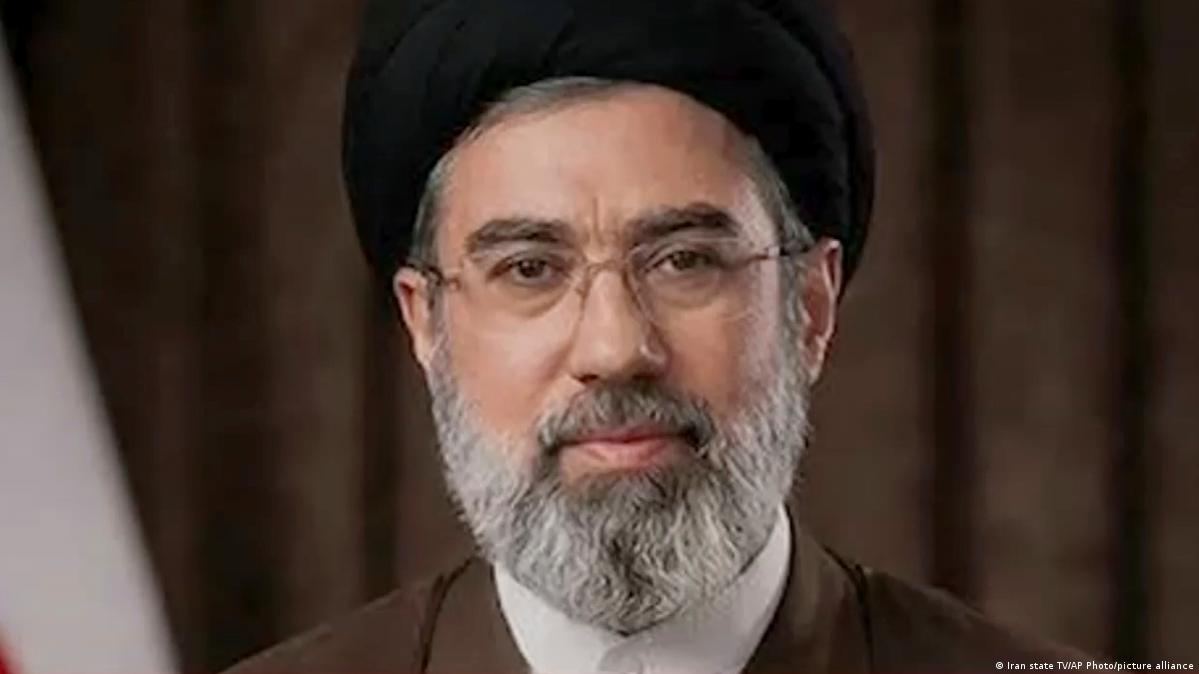
Iran warns of the death penalty and asset seizure for aiding enemies during the war, with over 1,000 people already arrested. Here’s what’s happening inside the country.
📑 Table of Contents
- Introduction
- Iran Threatens Harsh Punishment Inside the Country
- Death Penalty Warning for Helping Enemies
- Over 1,000 Arrested During the War
- What Actions Are Considered “Helping the Enemy”
- Why Iran Is Enforcing Strict Measures
- Impact on Citizens and Daily Life
- Human Rights Concerns
- Global Reactions
- What Happens Next
- Conclusion
- FAQ
- SEO Tags & Hashtags
1. Introduction
As the war involving Iran continues to intensify, the situation inside the country is becoming just as serious as the fighting on the battlefield.
While missiles and airstrikes dominate headlines, a different kind of conflict is unfolding within Iran’s borders. The government has launched a strict internal crackdown, warning citizens that even minor actions could lead to severe punishment.
Reports now confirm that Iran has threatened the death penalty and asset seizure for anyone accused of helping enemy forces. At the same time, over 1,000 people have already been arrested during the ongoing war.
This development highlights a growing effort by Iranian authorities to maintain control and prevent internal dissent.
2. Iran Threatens Harsh Punishment Inside the Country
Iran’s government has introduced some of the toughest internal security measures seen in recent years.
According to official statements, anyone suspected of cooperating with enemy countries could face:
- The death penalty
- Confiscation of all assets
- Long-term imprisonment
These rules apply during wartime and are being enforced aggressively across the country.
This marks a significant escalation in how Iran is handling internal security during the conflict.
RELATED POST > U.S. Launches Over 11,000 Airstrikes on Iran in 30 Days: A Massive Military Campaign
3. Death Penalty Warning for Helping Enemies
One of the most alarming aspects of the crackdown is how broadly the government defines “helping the enemy.”
Authorities have warned that even simple actions may be considered crimes, including:
- Sharing videos of military strikes
- Posting images of sensitive locations online
- Communicating with foreign media
- Spreading information that could “assist hostile forces”
In extreme cases, these actions could lead to execution.
This has created fear among citizens, especially those active on social media.
4. Over 1,000 Arrested During the War
Reports indicate that the crackdown is already in full effect.
- More than 1,000 people have been arrested in recent weeks
- Many are accused of espionage or spreading information
- Others were detained for online activity
Additional reports suggest hundreds more arrests across different provinces for similar charges.
This shows the scale of the operation and how seriously authorities are enforcing these rules.
RELATED POST > Iran Expands War Across Gulf Countries: Drone Attacks Hit Kuwait and Dubai
5. What Actions Are Considered “Helping the Enemy”
The definition of collaboration has expanded significantly during the war.
Authorities consider the following actions illegal:
1. Recording Military Sites
Filming or photographing strategic locations can be seen as espionage.
2. Sharing Content Online
Posting videos or images that reveal damage or military positions.
3. Contact with Foreign Entities
Communicating with journalists or organizations outside the country.
4. Spreading “Fear” or “Propaganda.”
Sharing information that could affect public morale.
Even ordinary citizens can be affected if their actions are interpreted as harmful.
6. Why Iran Is Enforcing Strict Measures
There are several reasons behind this intense crackdown.
1. National Security Concerns
Iran fears that internal leaks could help enemy forces target key locations.
2. Preventing Unrest
Economic pressure and war damage could lead to protests.
3. Controlling Information
Authorities want to control what information reaches the outside world.
4. Maintaining Stability
Strict enforcement is seen as a way to prevent chaos during wartime.
Reports indicate that security forces and militias have been deployed across cities to enforce these measures.
RELATED POST > Iran War Could End in 2–3 Weeks: What It Means for the World
7. Impact on Citizens and Daily Life
The crackdown is affecting everyday life in Iran.
- Increased surveillance and checkpoints
- Restrictions on internet access
- Fear of arrest for online activity
- Reduced freedom of expression
Many people are now cautious about what they say or share, even in private conversations.
In some areas, security forces are conducting searches and monitoring communication closely.
8. Human Rights Concerns
The situation has raised serious concerns among human rights organizations.
Critics argue that:
- Laws are being applied too broadly
- Innocent people may be arrested
- Trials may not be fair or transparent
- Severe punishments are being used to silence dissent
There are also fears that the number of arrests could continue to rise as the war goes on.
9. Global Reactions
The international community is watching closely.
- Some countries have expressed concern over human rights
- Advocacy groups are calling for restraint
- Media organizations are highlighting the risks to civilians
At the same time, the focus of global attention remains divided between the battlefield and internal developments.
10. What Happens Next
The future of this crackdown depends on how the war evolves.
Possible scenarios include:
1. Continued Arrests
If the conflict continues, more people may be detained.
2. Increased Restrictions
Internet and communication controls could become stricter.
3. International Pressure
Global criticism may influence Iran’s approach.
4. Post-War Consequences
Even after the war ends, legal actions may continue.
The situation remains highly unpredictable.
11. Conclusion
Iran’s decision to impose harsh punishments and carry out mass arrests shows how serious the internal situation has become during the war.
With over 1,000 people already detained and strict warnings in place, the government is taking strong steps to control information and prevent internal threats.
However, these actions also raise important questions about human rights, freedom of expression, and the long-term impact on society.
As the war continues, the internal situation in Iran will remain a key part of the global story.
❓ FAQ
1. Why is Iran arresting people during the war?
Iran says it is preventing espionage and protecting national security.
2. What punishment do suspects face?
They could face imprisonment, asset seizure, or even the death penalty.
3. What actions are considered illegal?
Sharing videos, photos, or information that could help enemy forces.
4. How many people have been arrested?
Over 1,000 people have reportedly been detained so far.
5. Could the crackdown continue?
Yes, especially if the war continues or tensions increase.
🔎 SEO Tags
Iran crackdown 2026, Iran arrests war, Iran death penalty warning, Iran war internal security, Middle East news Iran, Iran espionage arrests, human rights Iran war, breaking news Iran crackdown, Iran war update, global politics Iran
📢 Hashtags
#IranWar #BreakingNews #IranCrackdown #WorldNews #MiddleEast #HumanRights #Geopolitics #WarUpdate #GlobalCrisis #TrendingNews