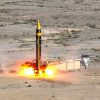


Israel launches major airstrikes on Hezbollah targets in Beirut, expanding the war beyond Iran. Over 1 million people are displaced in Lebanon as the crisis deepens.
War Spreading Across the Middle East as Israel Strikes Beirut
The ongoing conflict in the Middle East is rapidly expanding beyond its original scope, as Israel intensifies its military campaign against Hezbollah targets in Beirut, Lebanon. What began as a confrontation involving Iran has now evolved into a broader regional war, drawing in multiple countries and triggering a deepening humanitarian crisis.
In recent days, Israeli forces have launched a series of airstrikes targeting Hezbollah positions across Beirut, particularly in the southern suburbs of the city. These strikes were preceded by evacuation warnings, urging civilians to leave certain neighborhoods before the attacks began. Despite these warnings, the scale and intensity of the bombardment have caused widespread panic and destruction.
The expansion of the conflict into Lebanon marks a significant turning point. Hezbollah, an Iran-backed militant and political group based in Lebanon, has been actively involved in the war by launching rockets and drones toward Israel. In response, Israel has broadened its military operations, aiming to weaken Hezbollah’s capabilities and limit its influence in the region.
RELATED POST > Iran Fires Missiles at US-UK Diego Garcia Base: Failed Strike Raises Global Tensions
However, the consequences of this escalation have been devastating for civilians. According to recent reports, more than one million people have been displaced across Lebanon as a result of the ongoing fighting. This mass displacement represents one of the largest humanitarian crises in the country’s history, with families forced to flee their homes, often with little warning and limited resources.
Entire communities have been uprooted as airstrikes continue to hit both military and civilian areas. Shelters across Lebanon are overwhelmed, with many displaced individuals seeking refuge in schools, public buildings, and overcrowded camps. Aid organizations warn that the situation is rapidly deteriorating, with shortages of food, water, and medical supplies becoming increasingly severe.
The impact on infrastructure has also been significant. Reports indicate that residential buildings, healthcare facilities, and key public services have been damaged or destroyed during the strikes. Hospitals are struggling to cope with the growing number of casualties, while emergency responders face dangerous conditions as they attempt to assist those affected.
The situation in Beirut, once considered relatively stable compared to other parts of the region, has now become increasingly volatile. Thick plumes of smoke have been seen rising over the city following multiple explosions, and the constant threat of further airstrikes has left residents living in fear. Many have described the situation as one of the most intense periods of violence in recent years.
This latest escalation highlights the growing risk of a full-scale regional war. What started as a conflict involving Iran and Israel has now spread to include Lebanon, with the potential to draw in additional countries. Analysts warn that the involvement of Hezbollah significantly raises the stakes, as the group possesses a large arsenal of rockets and maintains strong ties with Iran.
International leaders have called for an immediate ceasefire, but diplomatic efforts have so far failed to halt the violence. The continued exchange of attacks between Israel and Hezbollah suggests that the conflict may persist, further worsening the humanitarian situation.
Beyond the immediate region, the consequences of this war are being felt globally. Rising tensions have disrupted trade routes, increased oil prices, and heightened concerns about international security. The longer the conflict continues, the greater the risk of wider economic and political instability.
As Israel continues its strikes on Beirut and Hezbollah maintains its involvement, the Middle East faces an increasingly uncertain future. With over one million people displaced and no clear path to peace, the crisis in Lebanon stands as a stark reminder of the devastating human cost of war.
❓ FAQ Section
1. Why is Israel attacking Beirut?
Israel is targeting Hezbollah positions in Beirut after the group launched attacks against Israel in support of Iran.
2. Who is Hezbollah?
Hezbollah is a powerful Iran-backed militant and political group based in Lebanon.
3. How many people have been displaced in Lebanon?
More than 1 million people have been displaced due to the ongoing conflict.
4. Is the war spreading beyond Iran and Israel?
Yes. The conflict now includes Lebanon and Hezbollah, raising fears of a wider regional war.
5. What are the global impacts of this conflict?
The war is affecting global oil prices, trade routes, and international security, with risks of further escalation.