

The conflict between Iran and Israel has entered a dangerous new phase, with massive airstrikes hitting both Tehran, Iran’s capital, and Beirut, Lebanon’s largest city. What began as a targeted military campaign has now escalated into a broader regional war, leaving behind widespread destruction, rising civilian casualties, and growing fears of an even larger global crisis.
According to the latest reports, Israeli forces launched a fresh wave of coordinated airstrikes targeting key military and strategic locations inside Tehran. These strikes are part of an ongoing campaign aimed at weakening Iran’s military infrastructure, including missile systems, intelligence centers, and command headquarters. Explosions have been reported across multiple parts of the city, with residents describing scenes of panic as buildings shook and emergency services rushed to respond.
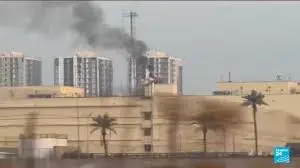
At the same time, Israel expanded its operations into Lebanon, striking what it says are Hezbollah positions in Beirut. Several neighborhoods in the city’s southern suburbs were hit after evacuation warnings were issued. Thick smoke was seen rising above residential areas, and thousands of civilians fled their homes in fear of further bombardment.
The escalation in Beirut highlights how the war is no longer confined to Iran and Israel alone. Hezbollah, a powerful Iran-backed group based in Lebanon, has become deeply involved in the conflict, launching attacks against Israel in support of Tehran. In response, Israeli forces have intensified their campaign to dismantle Hezbollah’s military capabilities, leading to heavy casualties and mass displacement.
The human cost of the war is rapidly increasing. Current estimates suggest that more than 2,000 people have been killed since the conflict began, with thousands more injured. In Lebanon alone, over one million people have reportedly been displaced, making it one of the largest humanitarian crises in the region in recent years. Many of those affected are civilians who have been forced to abandon their homes, often with little time to gather belongings.
In Tehran, the situation is equally difficult. Continuous airstrikes have damaged critical infrastructure, disrupted daily life, and forced many residents to seek shelter. Reports indicate that military installations, government buildings, and suspected weapons facilities have been among the primary targets. However, as with many modern conflicts, civilians are also bearing the consequences, with homes and public spaces caught in the crossfire.
This latest wave of attacks is part of a war that began in late February, when the United States and Israel launched coordinated strikes against Iran. Since then, the conflict has steadily expanded, drawing in multiple countries across the Middle East. Iran has retaliated with missile and drone attacks targeting not only Israel but also U.S. and allied positions in the region, further escalating tensions.
The international community is growing increasingly concerned about the potential for a full-scale regional war. Major powers have called for restraint, but so far, diplomatic efforts have failed to produce a ceasefire. With both sides continuing to exchange attacks, the risk of further escalation remains high.
Beyond the immediate human toll, the conflict is also having significant global implications. Key shipping routes, including the Strait of Hormuz, have been disrupted, affecting oil supplies and driving up energy prices worldwide. Airlines have reduced flights in the region, and several countries have issued travel warnings, signaling the war’s far-reaching impact.
As airstrikes continue to hit major cities like Tehran and Beirut, the situation remains volatile and unpredictable. With no clear end in sight, millions of people across the region are bracing for what could become one of the most devastating conflicts in recent history.