
The Middle East conflict has entered a dangerous new phase as critical energy infrastructure becomes a primary target. Iran has launched coordinated strikes on oil and gas facilities across the Gulf region, including Kuwait and other key energy-producing nations, raising fears of a global energy crisis.
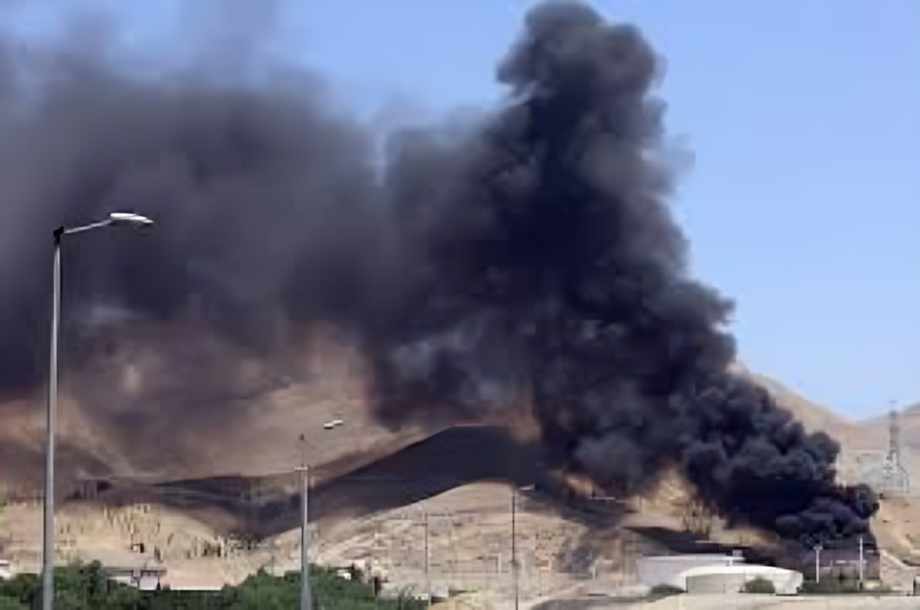
A major oil refinery in Kuwait—Mina Al-Ahmadi—was struck again in a fresh wave of attacks, triggering fires and significant damage to operational units. Emergency crews were deployed quickly to contain the blaze, with authorities confirming that firefighting efforts were ongoing.
This latest strike follows a similar attack just a day earlier, signaling a sustained campaign against Gulf energy infrastructure. Officials say the repeated targeting of the same refinery highlights the intensity and strategic nature of the attacks.
In response to the damage, Kuwait has suspended operations at key refineries, including Mina Al-Ahmadi and Mina Abdullah, as safety assessments and repairs begin. These facilities are critical to global oil supply, processing hundreds of thousands of barrels per day.
A Widening Energy War
The strikes are part of a broader escalation in the Iran-Israel conflict, which has now expanded beyond direct military targets to include vital economic infrastructure. Iran’s attacks are widely seen as retaliation following earlier strikes on its own energy facilities, including the South Pars gas field.
Across the region, multiple countries have reported attacks on oil refineries, LNG plants, and export terminals. Qatar’s Ras Laffan—one of the world’s largest liquefied natural gas hubs—has also been hit, forcing partial shutdowns and reducing global supply.
Saudi Arabia, the UAE, and Bahrain have all reported similar incidents, with fires, damage, and temporary shutdowns affecting production and exports. The scale of these attacks is unprecedented, targeting the backbone of global energy supply.
Global Impact and Oil Price Surge
The consequences of these strikes are already being felt worldwide. Oil prices have surged sharply, climbing close to $110 per barrel as markets react to the growing instability.
Energy analysts warn that continued attacks on infrastructure could disrupt supply chains and trigger long-term shortages. The Strait of Hormuz—a key route for global oil shipments—is now under increased threat, raising fears of further disruptions.
Countries heavily dependent on oil imports are already experiencing panic buying and rising fuel costs, while global markets remain volatile.
Rising Risks and Uncertain Future
The targeting of energy infrastructure marks a significant escalation in the conflict. Unlike traditional military engagements, these attacks directly impact global economies and everyday life, from fuel prices to electricity costs.
Experts warn that if the situation continues to deteriorate, the region could face a prolonged “energy war,” with severe consequences for global stability. Diplomatic efforts are underway, but so far, there are few signs of de-escalation.
Conclusion
The repeated strikes on Kuwait’s oil refineries and other Gulf energy facilities signal a turning point in the conflict. What was once a regional military confrontation is rapidly evolving into a global economic crisis.
With fires still burning, production halted, and tensions rising, the world is now watching closely. The coming days will be critical in determining whether the situation stabilizes—or spirals further into a full-scale energy and geopolitical crisis.
Hashtags
#BreakingNews #IranIsraelWar #EnergyCrisis #OilPrices #MiddleEastConflict #KuwaitRefinery #GlobalEconomy #WarUpdate #Geopolitics #OilMarket