
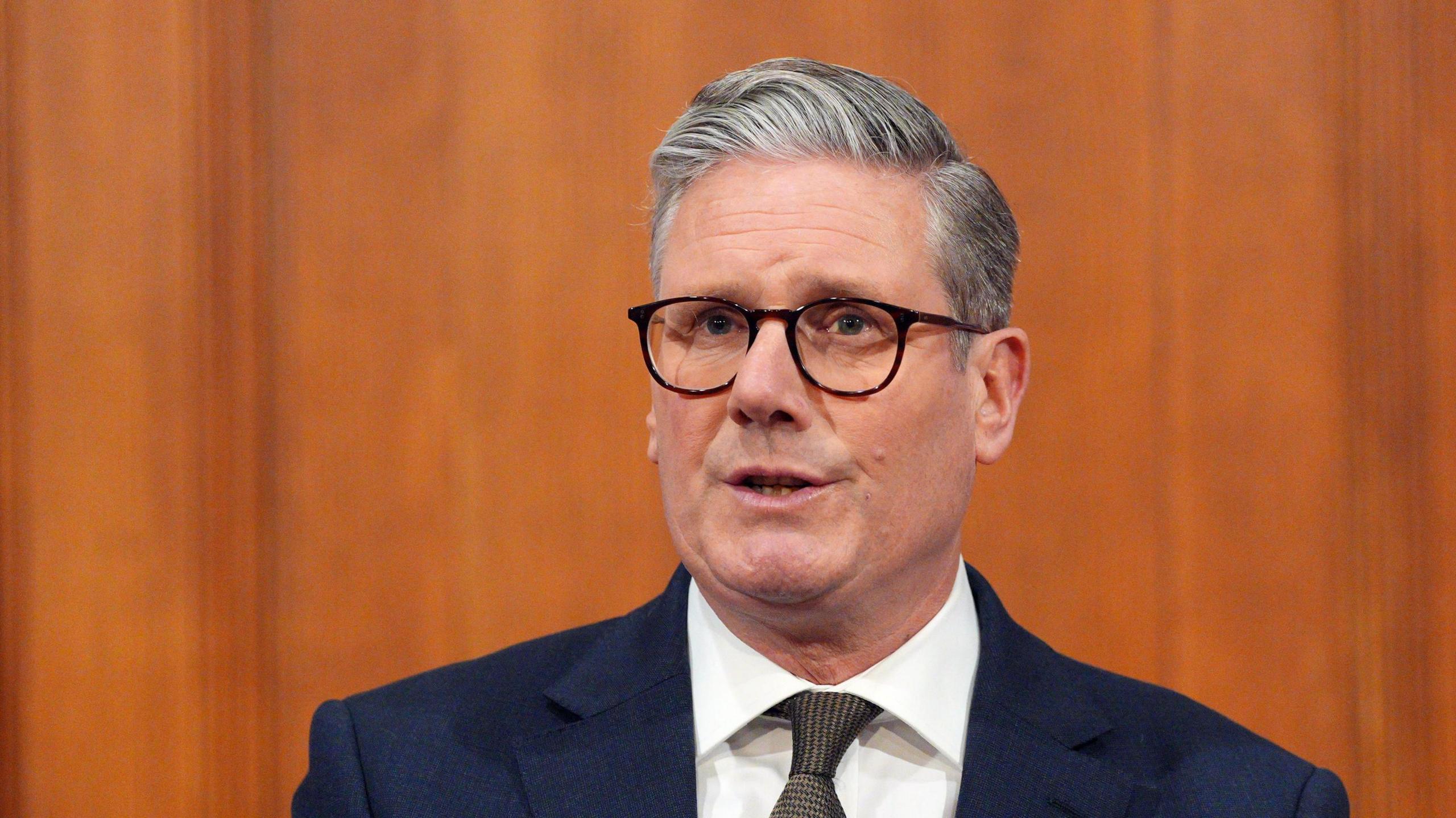
UK Prime Minister Keir Starmer says Britain will not be drawn into a wider Middle East war, emphasizing diplomacy, regional stability, and protection of global trade routes.
Table of Contents
- Introduction
- Keir Starmer’s Statement on the Middle East Conflict
- Why the UK Is Avoiding a Wider War
- The Current Middle East Tensions
- Britain’s Strategic Interests in the Region
- Protecting Global Shipping and Energy Supply
- The Role of NATO and International Allies
- Political Reactions Inside the UK
- Global Reactions to Britain’s Position
- Possible Diplomatic Solutions
- What This Means for the Future of the Conflict
- Conclusion
- FAQs
UK Will Not Be Drawn Into Wider War in the Middle East, Says PM Keir Starmer
Introduction
The United Kingdom has made its position clear amid growing tensions in the Middle East. Prime Minister Keir Starmer has stated that Britain will not be drawn into a wider regional war, emphasizing the need for diplomacy, stability, and protection of international trade routes rather than direct military involvement.
His remarks come at a time when the region is experiencing heightened tensions that threaten global security and energy markets. The UK government is now focusing on preventing escalation while working with international partners to ensure stability in one of the world’s most volatile regions.
Keir Starmer’s Statement on the Middle East Conflict
Prime Minister Keir Starmer recently reassured both the British public and international allies that the UK will avoid actions that could escalate the conflict into a broader regional war.
According to the Prime Minister, Britain’s priority is to protect global security and prevent further instability rather than participate in expanded military operations.
Starmer stressed that the UK will continue to support diplomatic efforts aimed at reducing tensions while ensuring that international trade routes remain secure.
RELATED POST > Trump Says He Is Not Happy With British Prime Minister Over Refusal to Join Middle East War
Why the UK Is Avoiding a Wider War
There are several important reasons why the United Kingdom is reluctant to become deeply involved in another major conflict in the Middle East.
1. Lessons from Past Conflicts
The UK has previously been involved in major military operations in the region, including the Iraq War and the War in Afghanistan.
These conflicts lasted for many years and had significant financial, political, and human costs. Many policymakers believe Britain should avoid repeating those experiences.
2. Domestic Political Considerations
Public opinion in the United Kingdom has become increasingly cautious about foreign military interventions. Many citizens prefer diplomatic approaches rather than large-scale military involvement.
3. Focus on National and European Security
The UK is also focused on security challenges closer to home, particularly following the Russian Invasion of Ukraine.
Supporting European security and NATO commitments remains a top priority for British defense policy.
RELATED POST > Europe Refuses to Join Middle East War, Weighs Options to Secure the Strait of Hormuz
The Current Middle East Tensions
The Middle East has long been a region of complex political rivalries and strategic competition.
Recent tensions involve several regional powers and non-state actors, raising fears that localized conflicts could quickly escalate into a larger war.
One major concern is the security of maritime routes used for global oil shipments, especially through the Strait of Hormuz.
Britain’s Strategic Interests in the Region
Although the UK is not seeking direct military involvement in a wider war, it still has important interests in the Middle East.
Economic Interests
The region remains a major supplier of energy resources, and disruptions to supply routes could affect global markets.
Security Partnerships
Britain maintains strong security relationships with several Middle Eastern countries, including the Saudi Arabia, United Arab Emirates, and Qatar.
These partnerships focus on defense cooperation, counterterrorism efforts, and regional stability.
Protection of International Trade
A significant portion of global oil shipments passes through key waterways such as the Strait of Hormuz, making maritime security essential for the global economy.
RELATED POST > ⛔ Drone Attack Forces Dubai Airport to Suspend Flights — What You Need to Know
Protecting Global Shipping and Energy Supply
One of the UK’s primary concerns is maintaining the free flow of international trade.
The Strait of Hormuz handles approximately 20% of the world’s oil supply, making it one of the most strategically important shipping lanes on the planet.
Any disruption to this route could have serious consequences for global energy markets.
To address this risk, Britain may support international maritime patrols and security operations aimed at protecting commercial vessels.
The Role of NATO and International Allies
The UK is expected to work closely with its allies through organizations such as the North Atlantic Treaty Organization.
While NATO has not announced plans to intervene directly in the conflict, the alliance may support operations designed to protect maritime security and ensure the safety of global shipping routes.
Additionally, Britain continues to cooperate closely with the United States and European partners on regional security issues.
Political Reactions Inside the UK
Prime Minister Starmer’s position has sparked debate within British politics.
Some political leaders support the government’s cautious approach, arguing that diplomacy should remain the primary tool for resolving conflicts.
Others believe the UK must remain prepared to defend international security if the situation escalates further.
Despite these debates, there is broad agreement that avoiding a wider war should remain the top priority.
Global Reactions to Britain’s Position
Britain’s decision not to join a broader conflict has been closely watched around the world.
Many European governments share a similar view, preferring diplomatic solutions rather than military escalation.
Countries across Europe are currently exploring ways to maintain regional stability without becoming directly involved in military operations.
Possible Diplomatic Solutions
Diplomacy remains the most important tool for preventing a wider conflict in the Middle East.
Potential diplomatic efforts include:
- International negotiations between regional powers
- Mediation by global organizations
- Economic agreements aimed at reducing tensions
- Multinational cooperation to protect maritime security
If these efforts succeed, they could help prevent the conflict from expanding into a broader regional war.
What This Means for the Future of the Conflict
The UK’s cautious approach could influence how other countries respond to the situation.
By prioritizing diplomacy and stability, Britain hopes to encourage international cooperation that prevents further escalation.
However, the situation remains unpredictable, and global leaders are closely monitoring developments in the region.
Conclusion
Prime Minister Keir Starmer has made it clear that the United Kingdom will not be drawn into a wider war in the Middle East. Instead, the government is focusing on diplomacy, international cooperation, and the protection of global trade routes.
While the UK remains committed to regional stability and security partnerships, its leaders believe that avoiding escalation is essential to maintaining global peace and economic stability.
The coming months will be crucial as world leaders work together to manage tensions and prevent the conflict from spreading further.
FAQs
Why did the UK say it will not join a wider war?
The UK government wants to avoid escalating the conflict and prefers diplomatic solutions to maintain regional stability.
Who is the UK Prime Minister mentioned in the statement?
The statement was made by Keir Starmer.
Why is the Middle East conflict important globally?
The region plays a key role in global energy supply and international security.
What is the Strait of Hormuz?
The Strait of Hormuz is a major global shipping route through which a large portion of the world’s oil supply passes.
Could the conflict affect oil prices?
Yes. Any disruption to oil shipments could lead to significant increases in global energy prices.
SEO Tags
UK Middle East war, Keir Starmer Middle East policy, UK foreign policy, Middle East tensions, Strait of Hormuz security, global oil supply, UK diplomacy Middle East, international relations
Hashtags
#UKPolitics
#KeirStarmer
#MiddleEastConflict
#WorldNews
#Geopolitics
#GlobalSecurity
#EnergyCrisis
#InternationalRelations
RELATED POST
- Drone Attack Forces Dubai Airport to Suspend Flights — What You Need to Know
- Europe Refuses to Join Middle East War, Weighs Options to Secure the Strait of Hormuz
- Trump Says He Is Not Happy With British Prime Minister Over Refusal to Join Middle East War