
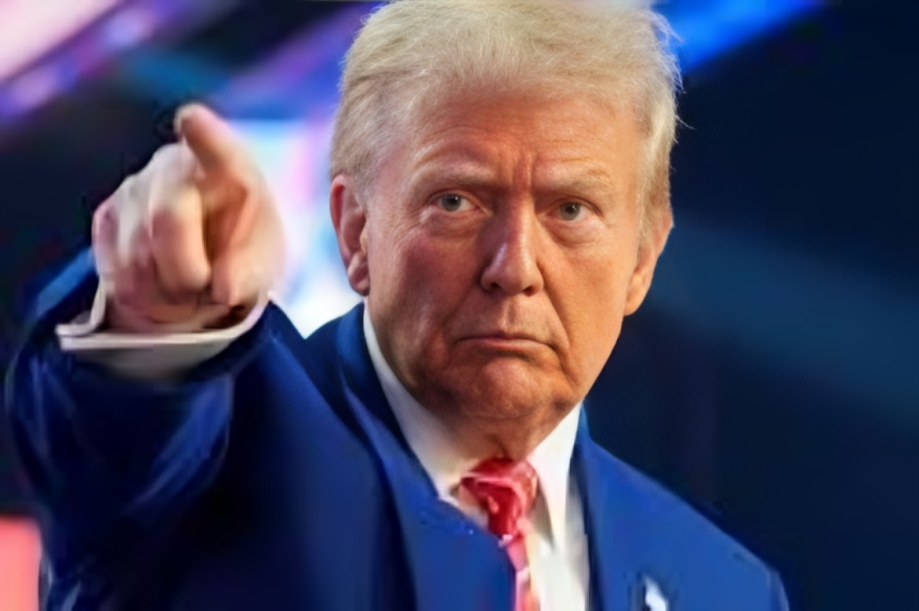
Donald Trump criticizes UK Prime Minister Keir Starmer after Britain refuses to get involved in a wider Middle East war. Here’s what the disagreement could mean for global politics.
Introduction
Tensions between international allies appear to be growing after former U.S. President Donald Trump expressed frustration with the position taken by the United Kingdom regarding the ongoing crisis in the Middle East.
Trump reportedly said he was “not happy” with the decision by British Prime Minister Keir Starmer to avoid involvement in a broader regional war. The disagreement highlights growing differences among Western leaders about how to respond to escalating tensions in the Middle East.
While the United States has traditionally relied on close cooperation with the United Kingdom in international security matters, Britain’s cautious stance has raised questions about how allied nations should respond to the crisis.
Britain’s Position on the Conflict
Prime Minister Keir Starmer recently made it clear that the United Kingdom does not want to be drawn into a wider war in the Middle East.
According to Starmer, the UK’s priority is preventing further escalation and protecting global stability rather than expanding military involvement. The British government has emphasized diplomacy, international cooperation, and the protection of global shipping routes as its main objectives.
This position reflects concerns among British policymakers that entering another major conflict could have long-term political, economic, and military consequences.
RELATED POST > UK Will Not Be Drawn Into Wider War in the Middle East, Says PM Keir Starmer
Trump’s Reaction
Former U.S. President Donald Trump criticized the UK’s position, suggesting that allies should stand together during international crises.
Trump has long supported a strong and coordinated response to security threats in the Middle East. His comments indicate that he believes Western allies should take a more unified approach when dealing with regional instability.
While he did not outline specific military actions, Trump’s remarks suggest that he would prefer stronger support from international partners, particularly from close allies like the United Kingdom.
Longstanding U.S.–UK Military Cooperation
The disagreement is notable because the United States and the United Kingdom have historically maintained one of the closest military partnerships in the world.
Both countries have worked together in several major conflicts, including:
- The Iraq War
- The War in Afghanistan
These joint operations strengthened military cooperation between the two nations and demonstrated their shared commitment to international security.
However, the current situation shows that even long-standing allies may take different approaches when facing complex geopolitical crises.
RELATED POST > Escalation in the U.S.–Israel–Iran Conflict: Global Oil Markets on Edge
Concerns About Escalation
Many European leaders, including those in the UK, fear that direct military involvement could escalate the conflict into a larger regional war.
The Middle East already faces significant political tensions involving several countries and armed groups. Any additional military action could potentially draw more nations into the conflict.
Another major concern is the safety of international trade routes, particularly through the Strait of Hormuz.
This narrow waterway is one of the most important oil shipping routes in the world. A disruption there could significantly impact global energy supplies and increase oil prices worldwide.
Political Debate Among Western Allies
Trump’s comments highlight an ongoing debate among Western leaders about how to respond to the Middle East crisis.
Some policymakers believe stronger military measures may be necessary to deter threats and maintain stability. Others argue that diplomacy and negotiation are the best ways to prevent further escalation.
Within Europe, several governments appear to share Britain’s cautious approach, emphasizing dialogue rather than military action.
What This Means for Global Politics
Differences in strategy among Western allies could shape how the international community responds to the crisis in the coming months.
Despite the disagreement, the United States and the United Kingdom remain key partners in global security. Both nations are expected to continue cooperating on diplomatic efforts and regional stability initiatives.
The situation also highlights the challenges of balancing national interests, global security concerns, and domestic political pressures during times of international tension.
Conclusion
The criticism from Donald Trump toward British Prime Minister Keir Starmer underscores the complexity of the current Middle East crisis.
While the United States appears to favor a stronger unified response from its allies, the United Kingdom has chosen a more cautious approach focused on diplomacy and avoiding a wider war.
As tensions continue to evolve, the decisions made by global leaders will play a crucial role in determining whether the conflict escalates or moves toward a peaceful resolution.