

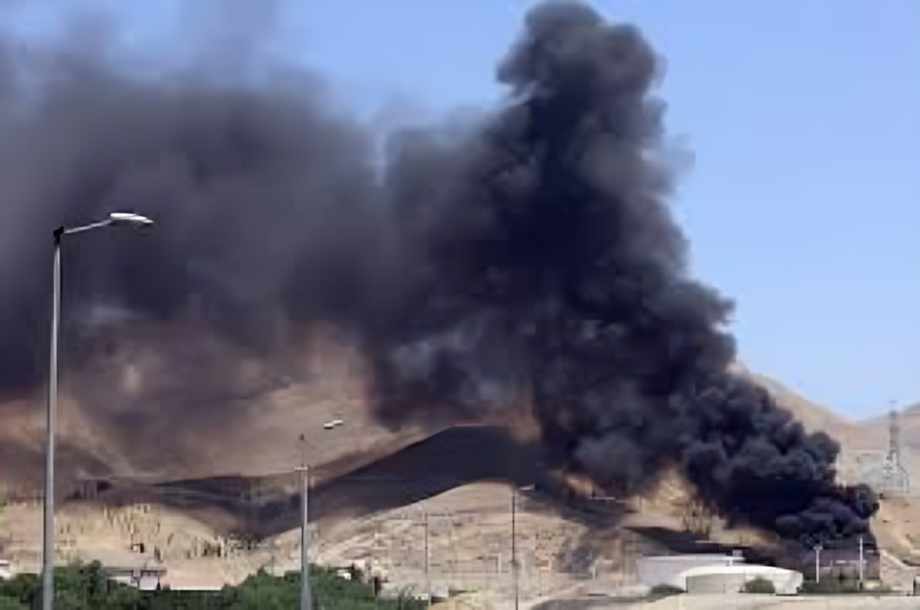
Tensions in the Middle East have intensified after the United States carried out airstrikes targeting military installations on Kharg Island, one of Iran’s most strategically important energy locations. The strikes mark a significant escalation in the ongoing conflict involving Iran, the United States, and its regional allies, raising concerns about global energy security and the possibility of a wider regional war.
RELATED POST > Middle East War Escalates: Iran, United States, and Israel Tensions Threaten Global Stability
Kharg Island, located in the Persian Gulf, is widely considered the backbone of Iran’s oil export system. The island handles roughly 90% of Iran’s crude oil exports, making it a crucial economic lifeline for the country. Because of its strategic importance, any military activity around the island can have immediate consequences for global energy markets.
According to reports, U.S. forces launched precision strikes targeting Iranian military facilities on the island, including missile bunkers, naval mine storage sites, and other defense infrastructure. Officials stated that more than 90 military targets were hit during the operation, which aimed to weaken Iran’s military capabilities in the Gulf region.
RELATED POST > Global Economy Feeling Impact of War as Fuel Prices Surge
Despite the scale of the attack, the strikes reportedly avoided directly damaging the island’s oil export infrastructure. U.S. officials indicated that the operation focused on military assets rather than energy facilities. However, the proximity of the strikes to such a vital oil hub has still triggered widespread concerns among energy analysts and global markets.
The situation is particularly sensitive because Kharg Island lies near the Strait of Hormuz, one of the world’s most important shipping routes for oil. Around 20% of the global oil supply normally passes through this narrow waterway, making it a critical artery for international energy trade.
Any disruption in this region could lead to dramatic spikes in oil prices and potential shortages in energy supplies. In recent weeks, shipping traffic through the Strait of Hormuz has already been affected by rising tensions, causing significant volatility in global oil markets.
Iran has warned that it may retaliate if its energy infrastructure is attacked or if further strikes occur on its territory. Such retaliation could target military bases, shipping lanes, or energy facilities across the Gulf region, potentially drawing more countries into the conflict.
International leaders and organizations are now urging restraint and diplomatic efforts to prevent the situation from escalating further. Analysts warn that continued military action could destabilize the entire region and trigger one of the largest energy supply disruptions in decades.
As the conflict continues to unfold, the world is watching closely. The coming days will be critical in determining whether tensions de-escalate through diplomacy or escalate into a broader confrontation that could reshape global energy markets and geopolitical alliances.