

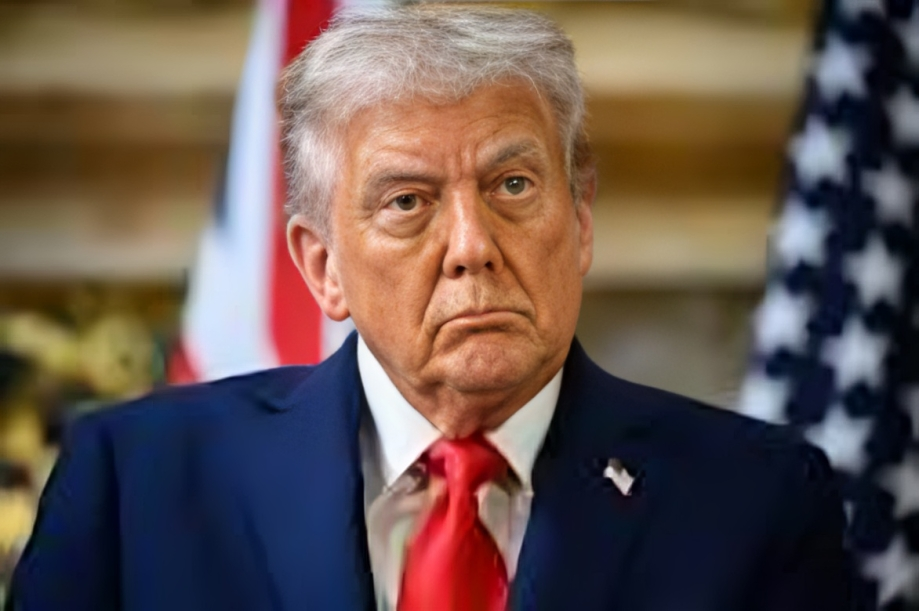
The Middle East war is escalating as Iran, the United States, and Israel exchange attacks across the Gulf region. Discover the causes, global impact, and what it means for oil prices, security, and world stability.
Middle East War Escalates: Iran, United States, and Israel Conflict Deepens
Table of Contents
- Introduction
- Background of the Middle East Conflict
- Recent Escalation Between Iran, the United States, and Israel
- Missile and Drone Attacks Across the Gulf Region
- Strategic Importance of the Strait of Hormuz
- Global Economic Impact of the Conflict
- Reactions from World Leaders and Nations
- Possible Future Scenarios of the War
- How the Conflict Could Affect Energy Prices
- What This Means for Global Security
- Conclusion
- Frequently Asked Questions (FAQs)
Introduction
Tensions in the Middle East have reached a critical point as the conflict involving Iran, the United States, and Israel continues to escalate. Over the past few days, reports indicate missile and drone attacks across the Gulf region, with military responses targeting strategic locations.
This situation has raised serious concerns worldwide. Many experts warn that if the conflict continues to intensify, it could lead to wider regional instability and potentially impact global economic systems.
One of the most alarming developments is the potential disruption of the Strait of Hormuz, one of the most important oil shipping routes in the world. Several countries are now considering deploying warships to protect this vital maritime corridor.
Understanding the causes, risks, and possible outcomes of this escalating conflict is crucial for governments, businesses, and individuals around the world.
Background of the Middle East Conflict
The Middle East has long been a region marked by geopolitical tensions, religious divisions, and competition for influence. Over the decades, the relationship between Iran, the United States, and Israel has been particularly complex and often hostile.
Iran and Israel have been strategic rivals for years. Israel has repeatedly expressed concerns about Iran’s nuclear ambitions and regional influence through allied groups across the Middle East.
Meanwhile, the United States has maintained strong political and military alliances with Israel and several Gulf nations. This alliance has often placed the U.S. at odds with Iran.
These tensions have occasionally erupted into military confrontations, cyber attacks, sanctions, and proxy conflicts across several countries, including Syria, Iraq, and Yemen.
RELATED POST > U.S. Strikes Iran’s Major Oil Hub: Rising Fears of Global Energy Disruption
Recent Escalation Between Iran, the United States, and Israel
The current escalation began after a series of military incidents in the Gulf region. Reports indicate that Iranian forces launched missile and drone attacks targeting military installations and strategic locations.
In response, the United States and Israel conducted coordinated strikes on several Iranian military targets believed to be linked to these attacks.
These actions have significantly increased tensions, with both sides warning of further retaliation if the conflict continues.
The rapid escalation has raised fears that the situation could spiral into a larger regional war involving additional countries.
Missile and Drone Attacks Across the Gulf Region
Missile and drone warfare has become a major feature of modern conflicts in the Middle East. These technologies allow countries to strike targets from long distances with relatively lower costs compared to traditional warfare.
In the recent attacks, drones and missiles were reportedly used to target military infrastructure and strategic facilities across the Gulf region.
Such attacks can disrupt critical infrastructure, including oil facilities, ports, and military bases. They also create significant risks for civilian populations and international shipping routes.
The increasing use of drones in warfare reflects the evolving nature of military technology and the growing importance of aerial defense systems.
RELATED POST > Rumors of Benjamin Netanyahu’s Death Denied: Israeli PM’s Office Calls Claims “Fake News.”
Strategic Importance of the Strait of Hormuz
The Strait of Hormuz is one of the most important waterways in the world. Located between Iran and Oman, it connects the Persian Gulf with the Arabian Sea.
Approximately 20 percent of the world’s oil supply passes through this narrow channel each day. This makes it a critical lifeline for global energy markets.
If the strait were to be blocked or disrupted due to military conflict, it could cause major disruptions to oil supplies and lead to sharp increases in energy prices worldwide.
Because of its importance, several nations are now considering sending naval forces to ensure that shipping routes remain open and secure.
Global Economic Impact of the Conflict
An escalation of conflict in the Middle East can have significant economic consequences.
Oil prices often rise sharply during periods of instability in the region because the Middle East supplies a large portion of the world’s energy resources.
Higher oil prices can increase transportation costs, raise inflation, and slow economic growth in many countries.
Financial markets also tend to react quickly to geopolitical tensions. Investors may move money into safer assets such as gold or government bonds, causing fluctuations in stock markets.
Airline companies, shipping industries, and energy markets are particularly sensitive to disruptions in the Gulf region.
RELATED POST > Global Economy Feeling Impact of War as Fuel Prices Surge
Reactions from World Leaders and Nations
Several world leaders have called for restraint and diplomatic solutions to prevent the conflict from expanding further.
International organizations and regional governments are urging both sides to avoid actions that could escalate tensions.
Diplomatic efforts are underway to encourage negotiations and de-escalation. However, achieving a peaceful resolution may be difficult due to the deep-rooted political and strategic differences between the parties involved.
Countries with economic and security interests in the region are closely monitoring the situation.
Possible Future Scenarios of the War
There are several possible outcomes if the conflict continues.
One scenario is a limited conflict where military strikes remain contained and diplomatic efforts eventually lead to de-escalation.
Another possibility is a broader regional war involving additional countries or allied groups.
A third scenario involves prolonged tensions without full-scale war but continued military incidents, cyber attacks, and economic pressure.
The direction the conflict takes will depend largely on diplomatic negotiations and strategic decisions made by the involved nations.
How the Conflict Could Affect Energy Prices
Energy markets are extremely sensitive to geopolitical risks in the Middle East.
If tensions escalate further, oil prices could rise significantly due to concerns about supply disruptions.
Higher energy costs could affect transportation, manufacturing, and electricity production worldwide.
For consumers, this could mean higher fuel prices, increased cost of goods, and broader economic challenges.
What This Means for Global Security
The escalating tensions highlight the fragile nature of global security systems.
Military conflicts in strategic regions often have ripple effects that extend far beyond the immediate area.
International cooperation, diplomacy, and conflict resolution efforts will play a critical role in preventing the situation from escalating into a larger global crisis.
Maintaining stability in key trade and energy routes remains a priority for many countries.
Conclusion
The escalating conflict involving Iran, the United States, and Israel has created significant concerns about regional stability and global security.
With missile and drone attacks occurring across the Gulf region and the possibility of naval deployments to protect the Strait of Hormuz, the situation remains highly volatile.
The world is watching closely as governments and international organizations attempt to prevent further escalation.
While diplomacy remains the most hopeful path toward peace, the coming weeks will likely determine whether tensions ease or continue to rise.
Frequently Asked Questions (FAQs)
What caused the recent escalation in the Middle East?
The escalation is linked to military strikes, drone attacks, and rising tensions between Iran, the United States, and Israel over regional influence and security concerns.
Why is the Strait of Hormuz important?
The Strait of Hormuz is one of the world’s most critical oil shipping routes, with about 20% of global oil passing through it daily.
Could this conflict affect global oil prices?
Yes. Any disruption to oil supply routes in the Gulf region can lead to higher oil prices worldwide.
Are other countries involved in the conflict?
While the main tensions involve Iran, the United States, and Israel, other countries in the region and international allies are closely monitoring the situation.
Is a larger war likely?
It is difficult to predict. Diplomatic efforts are ongoing to prevent the conflict from expanding into a broader regional war.
SEO Tags
Middle East war, Iran vs Israel conflict, US-Iran tensions, Strait of Hormuz crisis, Gulf region conflict, global oil supply crisis, Middle East military escalation, world news, Middle East war, geopolitical tensions, global security news
Hashtags
#MiddleEastWar
#IranIsraelConflict
#GlobalNews
#BreakingNews
#StraitOfHormuz
#WorldPolitics
#Geopolitics
#OilCrisis
#InternationalRelations
#GlobalSecurity
RELATED POST
- U.S. Strikes Iran’s Major Oil Hub: Rising Fears of Global Energy Disruption
- Global Economy Feeling Impact of War as Fuel Prices Surge