

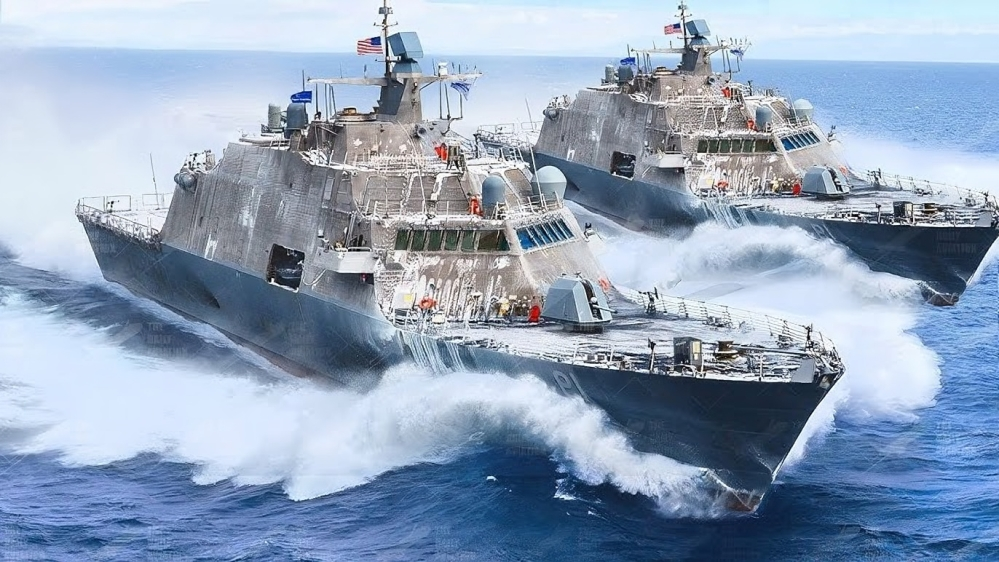
The Strait of Hormuz is a strategic chokepoint. Learn why it’s considered the most dangerous shipping route and how conflicts threaten global trade.
Introduction
The Strait of Hormuz, located between Iran and Oman, is one of the world’s most vital waterways. Only about 21 miles wide at its narrowest point, it serves as the passage for nearly 20% of global oil exports. Because of its strategic importance, the strait has been a hotspot for military tensions and geopolitical disputes.
1. Geography Makes It Vulnerable
- Narrow width limits ship movement, making navigation risky
- Traffic congestion increases the chance of collisions or incidents
- Proximity to Iran gives regional powers control over access
2. Historical Conflicts
- Attacks on oil tankers in 2019
- Threats from Iran to close the Strait during sanctions or conflicts
- Military exercises by global powers near the Strait
These events show how even small disruptions can affect global oil markets instantly.
Related Post > What Happens If the Strait of Hormuz Closes?
3. Economic Importance
- Roughly 21 million barrels per day pass through the strait
- Major importers include China, India, Japan, South Korea, and Europe
- Any blockade causes oil prices to surge, shipping costs to rise, and stock markets to fluctuate
4. Current Threats
- Rising tensions between Iran, Israel, and the United States
- Possibility of temporary closures, attacks on vessels, or sanctions-related disruptions
- Global concern for energy security and supply chains
Related Post> How Iran Conflicts Could Send Global Oil Prices Soaring
5. How Countries Protect Themselves
- Maintaining strategic oil reserves
- Investing in alternative pipelines (e.g., Saudi East-West Pipeline)
- Increasing maritime security with military escorts
FAQ
Q: How much oil passes through the Strait of Hormuz daily?
A: About 21 million barrels, roughly 20% of global consumption.
Q: Why is it considered dangerous?
A: Narrow passage, heavy traffic, and proximity to conflict zones make it a high-risk route.