

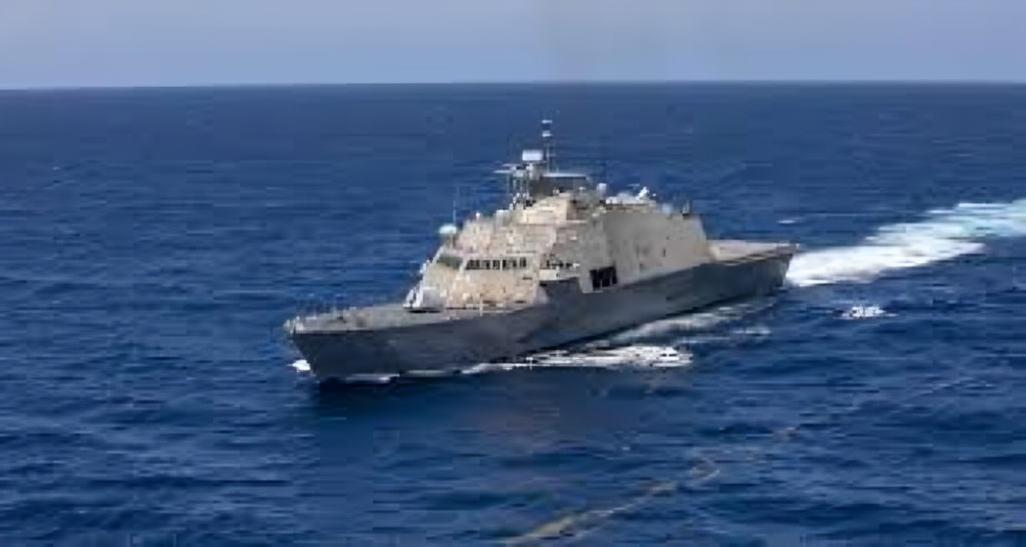
The Strait of Hormuz is one of the world’s most strategic waterways. Discover what happens if it closes, how it impacts global oil prices, the economy, and international security.
Introduction
The Strait of Hormuz, a narrow waterway connecting the Persian Gulf to the Gulf of Oman and the Arabian Sea, is a critical chokepoint for global trade, especially oil shipments. Roughly 20% of the world’s crude oil passes through this strait, making it a major strategic hotspot.
Recent tensions between Iran, Israel, and the United States have raised fears that the Strait of Hormuz could be blocked or closed, which would have serious consequences worldwide. But what exactly happens if this vital waterway shuts down?
1. Why the Strait of Hormuz Is So Important
- Global oil supply: Around 21 million barrels per day pass through the strait. That’s about one-fifth of global oil consumption.
- Geopolitical significance: The strait borders Iran and Oman, placing it at the center of Middle East conflicts.
- Strategic chokepoint: Any disruption can quickly affect international shipping, trade, and energy markets.
Because of its narrow width—about 21 miles at its narrowest point—even a small blockade can cause a global ripple effect.
Related Post > Alternative Shipping Routes if the Strait of Hormuz Is Blocked
2. Immediate Impact on Global Oil Prices
If the Strait of Hormuz were closed:
- Oil prices would surge immediately: A supply disruption would trigger panic in energy markets. Analysts estimate crude oil could spike by $10–$30 per barrel within days.
- Fuel shortages: Countries heavily reliant on Gulf oil, including China, India, Japan, and European nations, could face immediate supply shortages.
- Inflation rise: Higher fuel prices would increase transportation and production costs, raising global inflation.
🔹 Example: In 2019, minor threats to the strait caused oil prices to jump over 3% in one day, showing its sensitivity to geopolitical events.
3. Economic Consequences Worldwide
A closure would impact not just oil, but the global economy:
- Shipping disruptions: The Strait of Hormuz is a major shipping route. Shipping companies would need to take longer alternative routes, increasing costs.
- Stock market volatility: Investors fear disruptions in oil supply, often causing global stock market drops, particularly in energy-dependent sectors.
- Trade imbalances: Countries importing Gulf oil may experience shortages, affecting manufacturing, transportation, and energy-intensive industries.
Related Post > Countries Most Vulnerable if the Strait of Hormuz Closes
4. Potential Alternatives for Shipping
Countries and companies would look for alternatives, but options are limited:
- Pipeline routes:
- Saudi Arabia’s East-West pipeline bypasses the Strait but has limited capacity.
- Iraq and Kuwait also have pipelines, but they cannot fully replace Strait shipments.
- Longer shipping routes: Ships could sail around the Arabian Peninsula, adding days to weeks of transit time.
These alternatives would increase shipping costs and may not fully meet global demand.
5. Geopolitical Tensions Escalate
Closing the Strait of Hormuz would not just be an economic crisis—it would be a geopolitical nightmare:
- United States and its allies may intervene militarily to reopen the strait.
- Neighboring countries could be dragged into conflict, raising the risk of a wider regional war.
- Global powers like China, India, and the EU may push for diplomatic solutions, but tensions could linger for months.
Related Post > How Iran Conflicts Could Send Global Oil Prices Soaring
6. Impact on Consumers Worldwide
- Gas prices: Expect immediate spikes at the pump, especially in countries dependent on Gulf oil.
- Goods prices: Transportation costs rise, affecting prices of food, electronics, and goods.
- Stock portfolios: Energy, transport, and industrial stocks may fluctuate heavily.
In short, even a short-term closure could hit every consumer worldwide.
7. How Likely Is a Complete Closure?
While tensions are high:
- Iran has threatened to block the Strait during conflicts.
- Actual closure is unlikely because it would provoke severe military retaliation.
- Analysts suggest short-term disruptions or attacks on ships are more probable than a full blockade.
Related Post > Why the Strait of Hormuz Is the Most Dangerous Shipping Route in the World
8. Preparing for a Crisis
Countries and companies often take precautions:
- Strategic oil reserves: Many nations store emergency oil supplies to mitigate shortages.
- Alternative energy: Renewables and LNG imports could reduce dependency.
- Shipping insurance: Companies increase insurance coverage during tense periods.
These measures help reduce the impact, but a prolonged closure would still be catastrophic.
Conclusion
The Strait of Hormuz is more than just a waterway—it is a lifeline for the global economy. Even a temporary closure would shock oil markets, disrupt global trade, and increase consumer costs worldwide.
While a full blockade is unlikely due to military and diplomatic risks, the recent tensions between Iran, Israel, and the United States highlight how fragile global energy security is.
Understanding these dynamics is crucial for investors, businesses, and consumers alike.
FAQs
Q1: How much oil passes through the Strait of Hormuz daily?
Approximately 21 million barrels, which is around 20% of global oil consumption.
Q2: What countries rely on the Strait of Hormuz?
Major importers include China, India, Japan, South Korea, and European nations.
Q3: Are there alternative routes for oil shipping?
Yes, pipelines and longer sea routes exist, but they cannot fully replace the strait and are more expensive.
Q4: What happens if tensions escalate?
Even minor attacks could raise oil prices and disrupt shipping, affecting the global economy and stock markets.
Q5: Can renewable energy reduce the impact?
Partially. Countries investing in solar, wind, and LNG may be less vulnerable to a temporary oil supply shock.
SEO Keywords to Include
- Strait of Hormuz closure
- Iran conflict 2026
- Global oil supply crisis
- Oil prices today
- Middle East tensions
- Global economy impact
- Shipping disruption
Related Post.
- Related Post > Alternative Shipping Routes if the Strait of Hormuz Is Blocked
- Related Post > Why the Strait of Hormuz Is the Most Dangerous Shipping Route in the World
- Related Post > How Iran Conflicts Could Send Global Oil Prices Soaring
- Related Post > Countries Most Vulnerable if the Strait of Hormuz Closes