

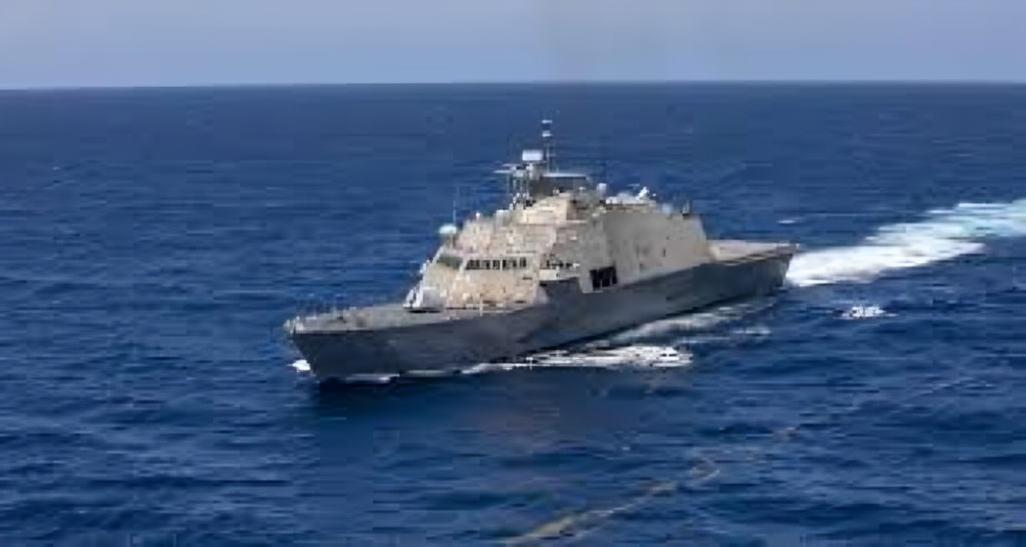
The Gulf region plays a critical role in global geopolitics, energy supply, and international trade. Discover why its strategic location, natural resources, and political influence make it a focal point for world powers.
🧠 Introduction
The Gulf region, spanning countries such as Saudi Arabia, the United Arab Emirates, Qatar, Kuwait, Oman, and Bahrain, has long been at the heart of global strategic interests. Its geographic location connects Asia, Africa, and Europe, making it a critical hub for trade, shipping, and energy. Beyond geography, the region’s vast reserves of oil and natural gas shape global energy markets, while its political alliances influence international security dynamics. Understanding the Gulf’s strategic importance helps explain why global powers are deeply invested in its stability and how developments there ripple across the world.
📋 Table of Contents
- Geography and Strategic Location
- Connecting Three Continents
- Vital Shipping Routes
- Energy Reserves and Global Impact
- Oil and Natural Gas Dominance
- Influence on Global Energy Security
- Economic and Trade Significance
- Ports, Free Zones, and Trade Hubs
- Investment and Economic Diversification
- Political and Military Importance
- Alliances and Defense Agreements
- Regional Power Dynamics
- Global Security Implications
- Geopolitical Tensions
- Strategic Partnerships
- Conclusion
- Frequently Asked Questions (FAQ)
1. Geography and Strategic Location
Connecting Three Continents
The Gulf sits at the crossroads of Asia, Africa, and Europe. This geographic advantage makes it a vital corridor for trade, cultural exchange, and military strategy.
Vital Shipping Routes
The Strait of Hormuz, one of the world’s most critical maritime chokepoints, passes through the Gulf. Around 20% of global oil trade flows through this narrow waterway, making its security crucial to energy markets worldwide.
Related Post > Gulf Countries Reported Missile Attacks: Rising Tensions in the Middle East
2. Energy Reserves and Global Impact
Oil and Natural Gas Dominance
The Gulf countries collectively hold a large percentage of the world’s proven oil and gas reserves. Nations like Saudi Arabia and Qatar are key exporters, giving the region immense influence over global energy prices.
Influence on Global Energy Security
Any disruption in the Gulf, whether due to geopolitical tension or natural disaster, can send shockwaves through global energy markets. Countries worldwide monitor the region closely to safeguard their energy supply chains.
The Strait of Hormuz Explained: Why the World Depends on This Shipping Route
3. Economic and Trade Significance
Ports, Free Zones, and Trade Hubs
Cities like Dubai, Doha, and Jeddah have developed world-class ports and free trade zones. These hubs support global logistics, import-export trade, and act as gateways for regional markets.
Investment and Economic Diversification
The Gulf is investing heavily in non-oil sectors such as tourism, finance, and technology. These efforts attract international investors and enhance the region’s strategic economic position globally.
4. Political and Military Importance
Alliances and Defense Agreements
The Gulf hosts U.S. military bases and cooperates closely with NATO partners. These alliances strengthen regional security and ensure global powers maintain a strategic foothold.
Regional Power Dynamics
Countries like Iran, Saudi Arabia, and the UAE influence the balance of power in the Middle East. Conflicts, diplomacy, and alliances in the Gulf have worldwide implications.
Related Post > How Middle East Conflicts Affect Global Oil Prices
5. Global Security Implications
Geopolitical Tensions
Conflicts and rivalries in the Gulf can quickly affect international security. For instance, any instability in the Strait of Hormuz or oil-producing regions can escalate into global energy crises.
Strategic Partnerships
Global powers invest heavily in Gulf diplomacy, trade, and military cooperation. The region’s strategic importance ensures that nations remain engaged politically and economically.
6. Conclusion
The Gulf region’s strategic value comes from its geography, energy resources, economic hubs, and political influence. It is a key driver of global energy security, trade, and geopolitical stability. Understanding its role is essential for businesses, governments, and policymakers as the world navigates complex international dynamics.
❓ Frequently Asked Questions (FAQ)
Q1: Why is the Gulf region considered strategic globally?
A: Its geographic location connects three continents, hosts critical shipping routes, and holds vast oil and gas reserves that impact global energy security.
Q2: What is the Strait of Hormuz, and why is it important?
A: It’s a narrow waterway through which nearly 20% of the world’s oil is transported. Disruptions here can affect energy markets worldwide.
Q3: How do Gulf countries influence global politics?
A: Through military alliances, regional diplomacy, energy exports, and economic investments, Gulf nations shape both regional and global policy.
Q4: Are Gulf economies dependent solely on oil?
A: No. While oil remains crucial, Gulf countries are diversifying into sectors like finance, tourism, and technology to strengthen economic resilience.
🔑 SEO
- Why the Gulf Region Is Geopolitically Crucial
- Strategic Importance of the Gulf in Global Trade and Security
- How Gulf Energy Reserves Shape World Markets
- The Gulf: A Hub of Economic and Military Power
- Global Implications of Gulf Region Stability
📣 Suggested Hashtags
#GulfRegion #GlobalStrategy #Geopolitics #EnergySecurity #StraitOfHormuz #MiddleEast #GlobalTrade #InternationalRelations
Related Post > Gulf Countries Reported Missile Attacks: Rising Tensions in the Middle East
The Strait of Hormuz Explained: Why the World Depends on This Shipping Route
How Middle East Conflicts Affect Global Oil Prices