

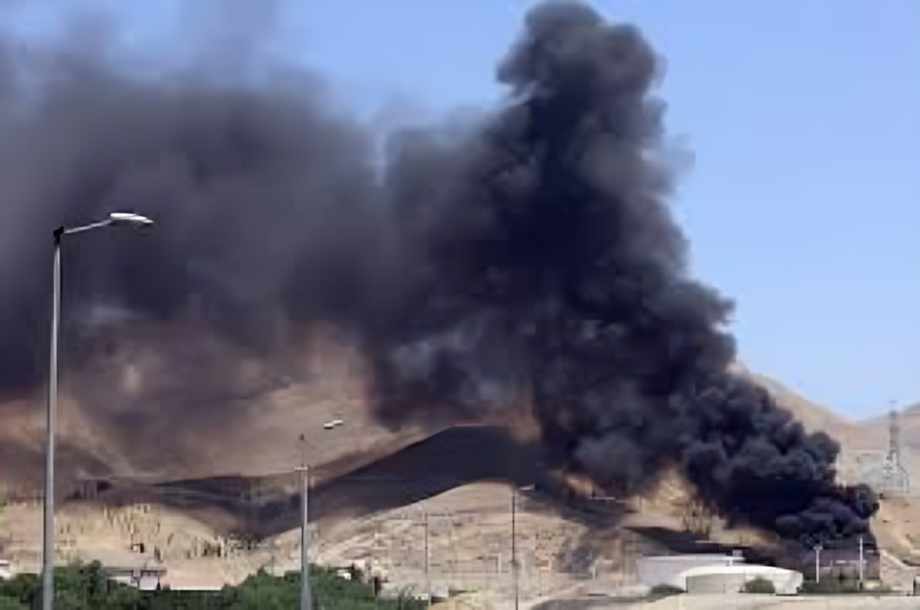
Conflicts in the Middle East often cause major swings in global oil prices. Learn how wars, political tensions, and disruptions in key shipping routes influence energy markets and the global economy.
Introduction
The Middle East plays a critical role in the global energy market. The region holds some of the largest oil reserves in the world and supplies a significant portion of the world’s crude oil exports. When conflicts or political tensions occur in the region, global oil prices often react immediately. Investors, governments, and businesses closely monitor developments in the Middle East because disruptions can affect supply, transportation routes, and market confidence. Understanding how these conflicts influence oil prices helps explain fluctuations in fuel costs, inflation, and economic stability worldwide.
Table of Contents
- Why the Middle East Matters for Global Oil Supply
- How Conflicts Disrupt Oil Production
- Shipping Route Risks and Oil Transportation
- Market Reactions and Price Volatility
- Economic Impact Around the World
- Possible Future Scenarios
- Conclusion
- Frequently Asked Questions (FAQ)
1. Why the Middle East Matters for Global Oil Supply
The Middle East contains some of the largest oil-producing nations in the world. Countries such as Saudi Arabia, Iraq, Iran, Kuwait, and the United Arab Emirates supply a large share of global crude oil exports.
Because many economies depend on this oil supply, even small disruptions in the region can influence global energy markets. When political instability threatens production or exports, traders anticipate shortages, and oil prices often rise quickly.
Related Post > Gulf Countries Reported Missile Attacks: Rising Tensions in the Middle East
2. How Conflicts Disrupt Oil Production
Wars and political conflicts can directly affect oil production in several ways.
Damage to infrastructure
Oil fields, refineries, and pipelines may be damaged during military operations or attacks.
Reduced production capacity
Governments may reduce oil output during conflict due to safety concerns or sanctions.
Sanctions and trade restrictions
International sanctions against oil-producing countries can limit exports and reduce supply on the global market.
When production decreases, the global oil supply tightens, which typically leads to higher prices.
3. Shipping Route Risks and Oil Transportation
Another major factor affecting oil prices during Middle East conflicts is transportation.
A large percentage of global oil shipments pass through strategic shipping routes, particularly the Strait of Hormuz. This narrow waterway connects the Persian Gulf to international markets.
If tensions threaten the safety of oil tankers passing through this route, shipping companies may delay deliveries or increase insurance costs. These risks reduce supply availability and drive oil prices higher.
Related Post > Rising Tensions in the Middle East: What It Means for Global Security
4. Market Reactions and Price Volatility
Financial markets react quickly to geopolitical tensions.
Investor uncertainty
Oil traders often respond to conflict news by buying futures contracts, which can drive prices upward.
Speculation
Expectations of supply disruptions can lead to speculation, increasing price volatility even before actual shortages occur.
Energy stock movements
Energy companies and oil-related stocks often rise during conflicts because higher oil prices increase potential profits.
These market reactions can cause sudden spikes or swings in global oil prices.
Related Post > Why the Gulf Region Is One of the Most Strategic Areas in the World
5. Economic Impact Around the World
Higher oil prices can affect the global economy in several ways.
Increased fuel costs
Consumers may face higher gasoline and transportation costs.
Inflation pressure
Rising energy prices can increase the cost of goods and services.
Slower economic growth
Businesses may face higher production and logistics costs, which can reduce profitability and economic growth.
Countries that depend heavily on oil imports are particularly vulnerable to these changes.
6. Possible Future Scenarios
The future impact of Middle East conflicts on oil prices depends on several factors.
Diplomatic solutions
Peace agreements or de-escalation can stabilize oil markets and reduce price volatility.
Alternative energy sources
Global investment in renewable energy may reduce dependence on oil over time.
Diversified supply chains
Countries may seek oil from other regions to reduce reliance on Middle Eastern exports.
These factors could reshape global energy markets in the coming decades.
Conclusion
Conflicts in the Middle East have a powerful influence on global oil prices. Because the region is a major oil producer and home to critical shipping routes, disruptions can quickly affect global supply and market confidence. As geopolitical tensions continue to evolve, governments, businesses, and consumers around the world will remain closely connected to developments in the Middle East energy landscape.
Frequently Asked Questions (FAQ)
1. Why do Middle East conflicts increase oil prices?
Conflicts can disrupt oil production, damage infrastructure, and threaten transportation routes, reducing supply and pushing prices higher.
2. Which shipping route is most important for oil transport in the region?
The Strait of Hormuz is the most critical route for global oil exports.
3. Do all conflicts in the Middle East affect oil prices?
Not always, but tensions involving major oil producers or shipping routes usually influence global markets.
4. Can oil prices fall during conflicts?
In rare cases, prices may stabilize if supply remains unaffected or if global demand decreases.
SEO Titles
- How Middle East Wars Impact Global Oil Prices
- Why Oil Prices Rise During Middle East Conflicts
- The Link Between Geopolitics and Oil Markets
- How Gulf Tensions Influence Energy Prices
- Middle East Conflicts and the Global Energy Economy
Hashtags
#OilPrices #MiddleEastConflict #EnergyMarkets #GlobalEconomy #Geopolitics #OilTrade #EnergySecurity #WorldEconomy
Related Post > Gulf Countries Reported Missile Attacks: Rising Tensions in the Middle East
How Middle East Conflicts Affect Global Oil Prices
Why the Gulf Region Is One of the Most Strategic Areas in the World